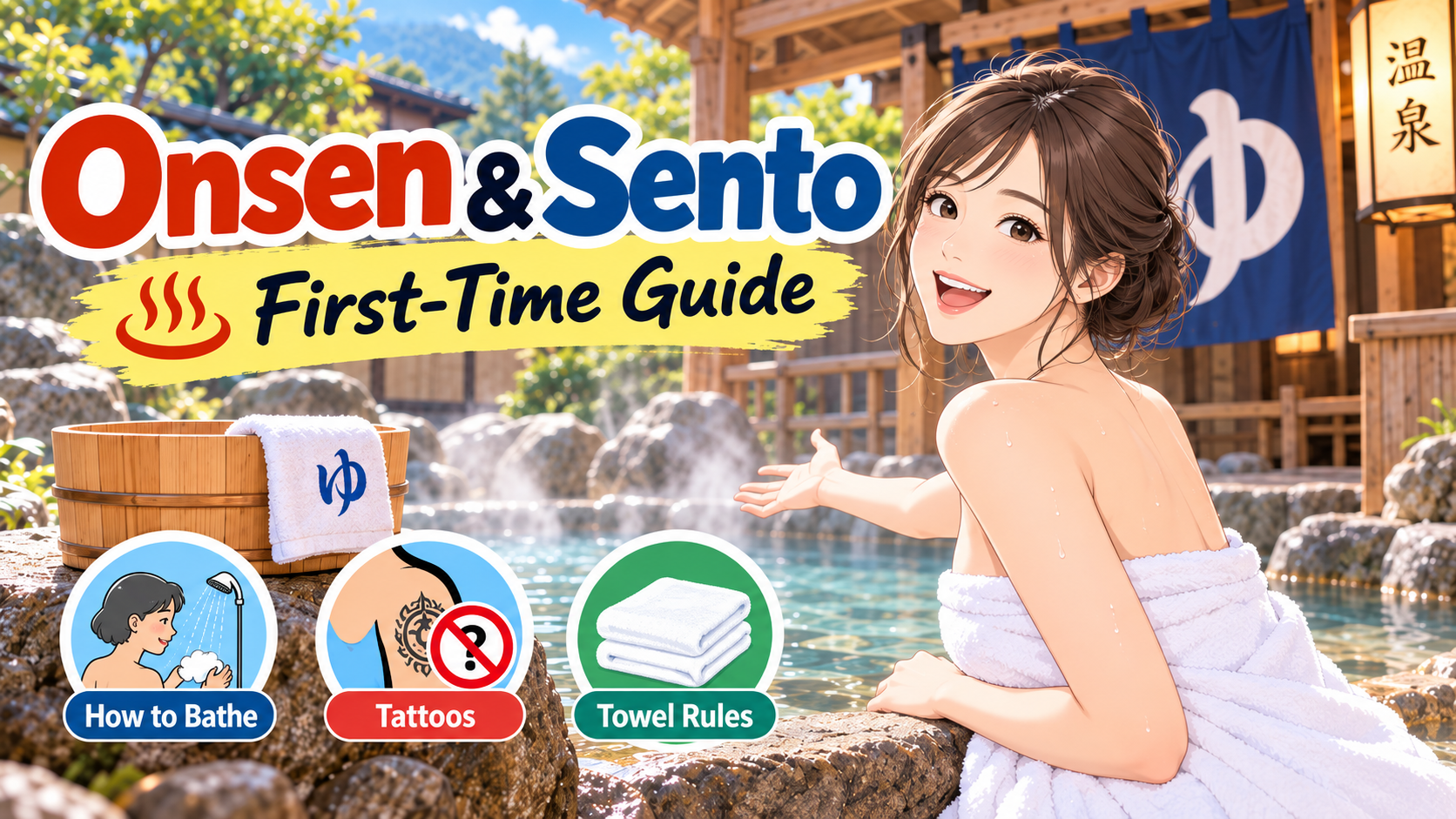
If you’re traveling in Japan, you may want to try an onsen or sento.
But if it’s your first time, you may be wondering:
“Do I wear a swimsuit?”
“When do I wash?”
“Can I put my towel in the bath?”
“What if I have a tattoo?”
It can be surprisingly confusing the first time.
Here are the five basics to remember first.
- In shared baths, you generally bathe nude without a swimsuit
- Clean your body before getting into the bath. If it’s your first time, washing first is the simplest approach
- Don’t let your towel or long hair touch the bathwater
- Keep your smartphone put away in both the bathing area and changing room
- If you have a tattoo, check the facility’s rules before you go
What’s the Difference Between an Onsen and a Sento?
It may seem simple to think of an onsen as “natural hot spring water” and a sento as “regular bathwater,” but the real difference is a little more precise.
Put simply, onsen is mainly about the water, while sento is about the type of bathing facility.
Under Japan’s Hot Spring Act, hot water, mineral water, and similar substances that emerge from underground qualify as onsen if the source temperature is at least 25°C, or if they contain certain substances in amounts specified by law.
Japan’s Ministry of Health, Labour and Welfare defines a public bath as a facility that allows the public to bathe using hot water, seawater, hot spring water, or other types of water. A sento is a type of public bath commonly used by local residents in daily life.
So, some sento actually use natural hot spring water.
- Onsen (温泉): Hot spring water that meets the legal definition, or a bathing facility that uses it
- Sento (銭湯): A public bath used by local residents. It does not necessarily use hot spring water
- Large public bath: A large shared bath in a hotel, ryokan, or similar property. It is not necessarily an onsen
If you specifically want to bathe in natural hot spring water, check the facility’s official website rather than relying on the name alone.
Can You Use an Onsen Without Staying Overnight?
Yes.
Many onsen facilities can be used without staying overnight.
In Japan, this is often called:
- Day-use bathing (日帰り入浴)
- Drop-in bathing (立ち寄り湯)
Some ryokan also allow non-guests to use their baths during designated hours.
However, not every ryokan or onsen offers day-use bathing.
Once you know where you want to go, check the official website for:
- Whether day-use bathing is available
- Reception hours
- Price
- Whether you need to bring a towel or other items
- Tattoo rules, if you have one
A sento is a public bath meant for people to come in and bathe, so you do not need to be staying anywhere to use one.
What Should You Bring to an Onsen or Sento?
At hotel and ryokan baths, towels, shampoo, body soap, and similar items are often provided.
At a neighborhood sento, it’s safer to assume you may need to bring your own towels and toiletries.
According to Tokyo Sento’s official guidance, many sento sell towels, shampoo, soap, disposable razors, and other basic items. Some also provide shampoo and body soap for free.
Facilities differ, though.
If it’s your first visit to a sento, these are useful things to bring:
- A towel to take into the bathing area
- A bath towel, if you want one
- Shampoo and body soap, if needed
- A razor, if needed
- A hair tie or something similar if you have long hair
If you want to keep your luggage light, check the facility’s official website for towel sales or rentals and whether shampoo and body soap are provided.
How to Use a Japanese Onsen or Sento
Here’s what to do once you arrive.
1. Take Off Your Shoes and Pay at Reception
At many sento, you take off your shoes at the entrance and place them in a shoe locker, then pay at the front desk or a ticket machine.
At a hotel or ryokan, use of the public bath may already be included in your stay.
The exact entrance and payment process varies, so follow the signs and instructions at the facility.
2. Check Which Entrance Is for Men and Which Is for Women
Most onsen and sento have separate bathing areas for men and women.
You may see these Japanese characters:
- 男 = Men
- 女 = Women
Some facilities use blue entrance curtains for the men’s bath and red ones for the women’s bath, but don’t rely on color alone—check the 男 and 女 signs as well.
At some ryokan and hotels, the men’s and women’s baths switch at different times of day.
Don’t assume the entrance is the same just because you used it the day before.
Check the Age Rule if You’re Bathing With a Child
If a child is going into a bath with a parent or guardian of a different sex, age limits apply.
As a nationwide guideline, Japan’s Ministry of Health, Labour and Welfare says that boys and girls “approximately 7 years old and above” should not bathe together.
As a general guideline, children age 6 and under may bathe with a parent or guardian of a different sex.
However, local regulations or individual facility rules may set a lower age limit.
If you’re bathing with a child, check the age rule at the facility you plan to visit.
3. Undress Completely in the Changing Room
At a typical Japanese onsen or sento, you bathe completely nude, without a swimsuit or underwear.
Leave your clothes and underwear in a basket or locker in the changing room.
Take the towel you plan to use in the bathing area, along with anything else you need, such as a razor, shampoo, or body soap.
If you feel shy walking around nude, some people lightly cover themselves in front with a towel while moving through the bathing area.
But that towel should not go into the bathwater.
4. Wash Before Getting Into the Bath
At Japanese onsen and sento, the bathwater is shared by many people.
Guidance for travelers from the Japan National Tourism Organization (JNTO) and the Japan Tourism Agency advises visitors to wash at the washing area, rinse off all soap and shampoo, and then enter the bath.
Tokyo Sento’s official guidance describes another sequence: rinse yourself with kakeyu first, warm up in the bath, and then wash your body.
So the recommended order differs slightly between guides.
If it’s your first time, washing your body thoroughly before getting into the bath is the simplest approach.
The bathing area usually has low stools, wash bowls, and showers.
If you’re wearing makeup, remove it before getting into the bath.
There is also a Japanese bathing custom called kakeyu (かけ湯), where you pour warm water over your body before entering the bath.
This also helps your body adjust to the water temperature before you step into the hot bath.
5. Keep Your Towel and Hair Out of the Bathwater
Once you’re clean, it’s time to get into the bath.
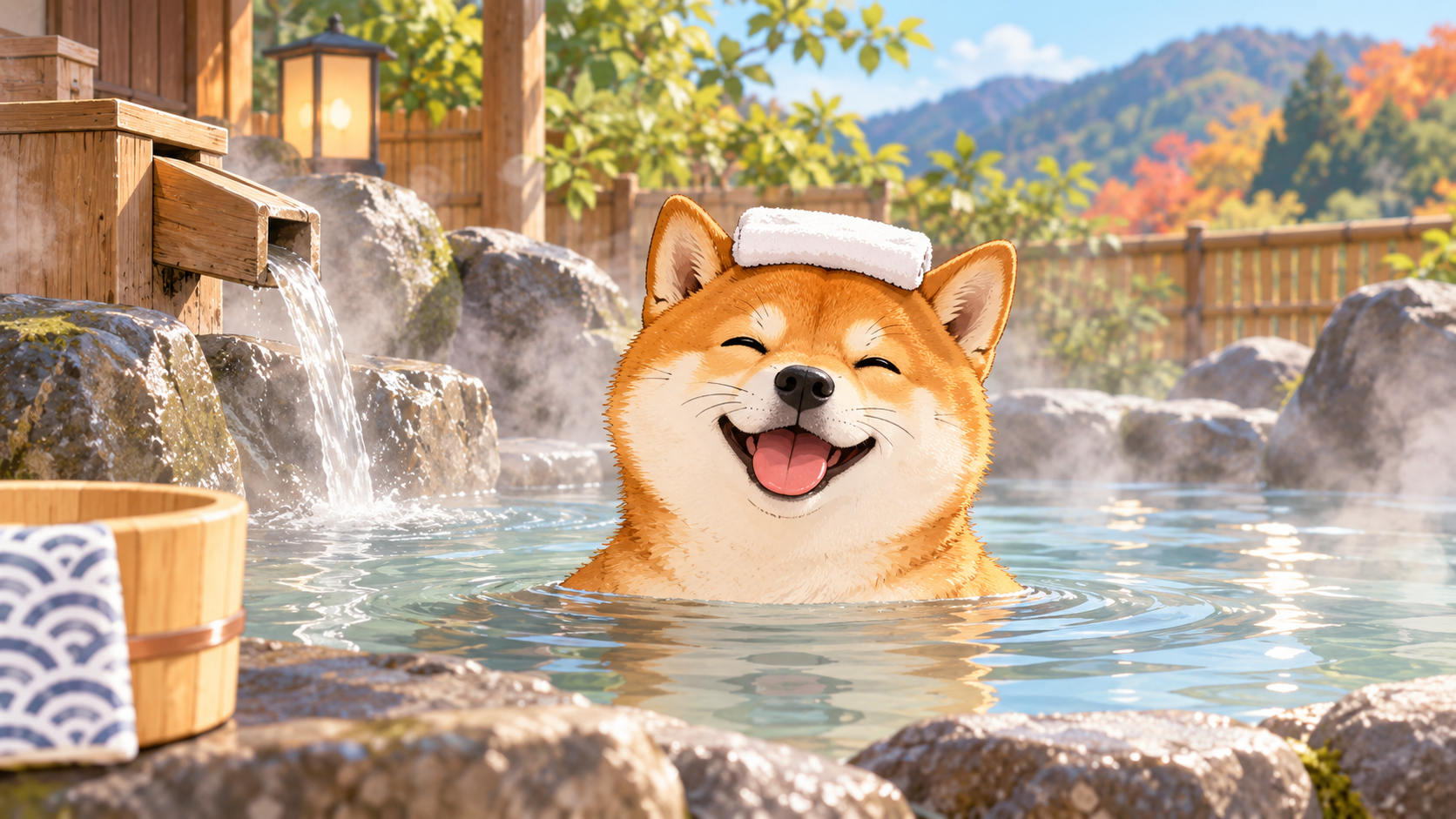
The important rule here is: don’t put your towel in the bathwater.
The towel you take into the bathing area can be used to:
- Wash your body
- Lightly cover yourself in front while walking around the bathing area
- Wipe off some water before returning to the changing room
When you get into the bath, you can:
- Place the towel on top of your head
- Put it somewhere outside the water, such as on the edge of the bath
If you have long hair, tie it up or otherwise keep it from touching the bathwater.
Some people use a towel to keep their hair up, but the towel itself still should not go into the water.
That’s why you may see people sitting in the bath with a towel on top of their head.
If you have a larger bath towel, you can usually leave it in the changing room.
If you have short hair, you can often manage with just one towel in the bathing area: use it to wash, wring it out, then use it to wipe off some water before you leave.
The bath is also not a place for swimming or splashing around. Relax and soak quietly.
6. Wipe Off Before Returning to the Changing Room
When you’re finished bathing, head back to the changing room.
Before you do, use the towel you brought into the bathing area to wipe off some of the water on your body.
This helps keep the changing-room floor from getting wet.
If you brought a bath towel, use it in the changing room to dry yourself properly before getting dressed.
Whether you should rinse off again with a shower after soaking in an onsen is not a universal rule. If the facility gives specific instructions, follow them.
7. Rehydrate After Bathing
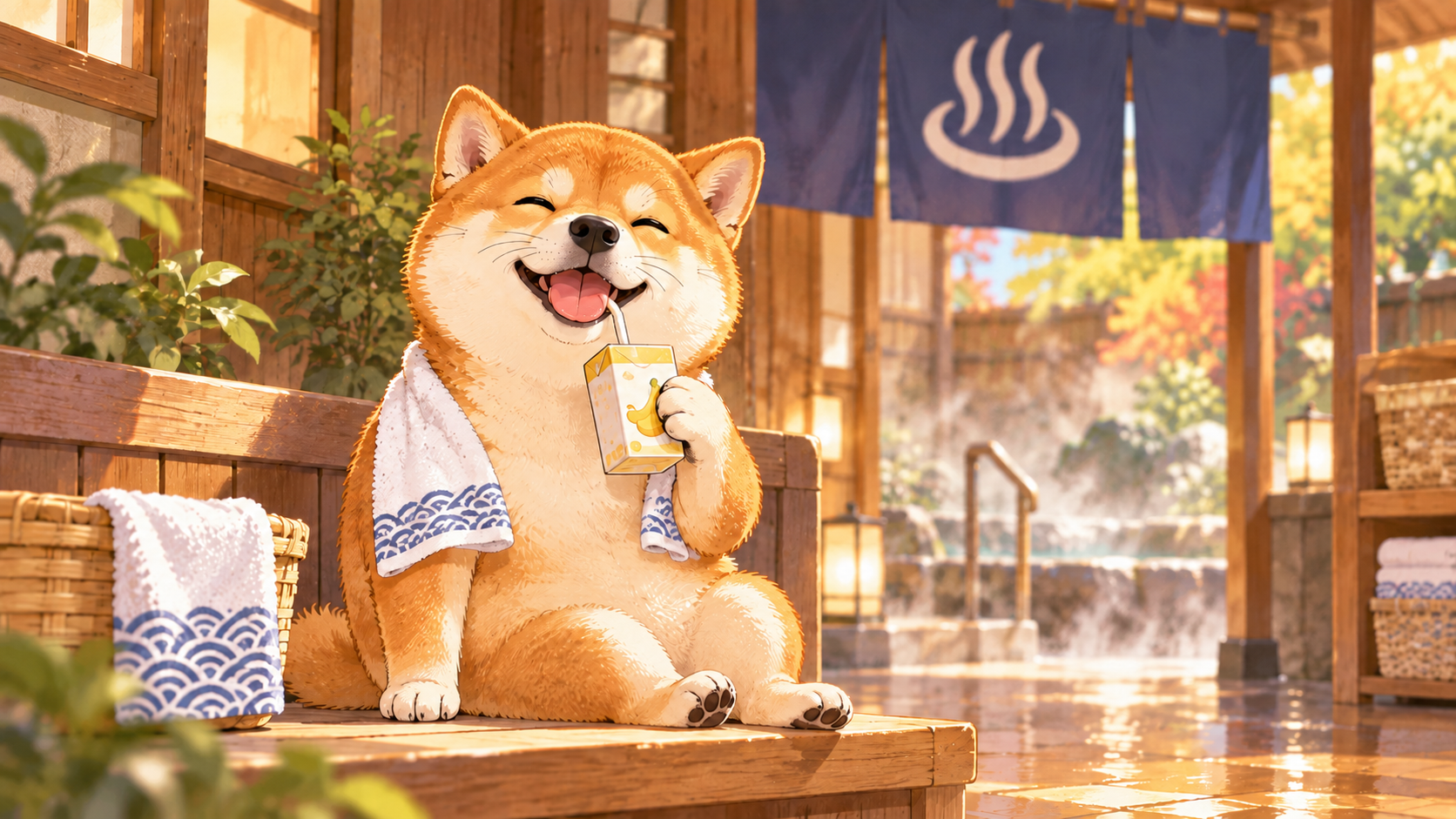
Onsen and sento can warm you up more than you expect.
Don’t force yourself to stay in the bath for too long. If you start feeling too hot, get out and take a break.
It’s also a good idea to drink fluids before and after bathing.
If the facility has a drink vending machine, you can use it to rehydrate afterward.
I explain how to use Japanese vending machines in the article below, woof.

Can You Use an Onsen or Sento if You Have a Tattoo?
Tattoo rules vary by facility.
Some facilities allow guests with tattoos, while others do not.
You may also find rules such as:
- Small tattoos are allowed if covered with a tattoo cover
- There are limits on the size or number of tattoos
- Only private baths can be used
- Tattoos are not allowed regardless of size
The Japan Tourism Agency explains that some bathing facilities in Japan have historically refused entry to people with tattoos because tattoos have been associated with anti-social groups. At the same time, it notes that some ryokan now place no restrictions on foreign travelers with tattoos, while others decide case by case.
JNTO also explains that tattoo policies vary by facility and that some local sento accept people with tattoos.
So, if you have a tattoo, the most reliable approach is to check the facility’s official rules before you go.
Can You Cover a Small Tattoo?
If a facility says tattoos up to a certain size are allowed when covered, you can use the bath as long as you follow that rule.
However, covering a tattoo does not mean you can use every onsen.
Some facilities do not allow tattoo covers at all.
Don’t assume a small tattoo will be fine. Check the facility’s own rules.
If You Have a Large Tattoo, a Private Bath May Be an Option
If your tattoo is too large to cover, or you prefer to avoid a crowded shared bath, you can:
- Choose an onsen or sento that clearly allows tattoos
- Choose a private bath that the facility explicitly allows guests with tattoos to use
- Stay at a ryokan or hotel with a private bath in the guest room
However, a private bath is not automatically tattoo-friendly everywhere in Japan. Check the rules at the facility you plan to use.
What if You’re Uncomfortable Bathing Nude?
At a typical Japanese onsen or sento, you cannot wear a swimsuit in the shared bath.
If you’re uncomfortable being nude around strangers, you do not have to force yourself to use a public bath.
Choose a private bath or a guest room with its own bath.
With a private bath, you can bathe without sharing the space with other guests.
It can also be a convenient option for families or couples who want to bathe together.
However, having a private bath in your room does not automatically mean the water is from a natural hot spring.
If the hot spring water itself matters to you, check the accommodation’s official website to see whether the private bath uses onsen water.
Keep Smartphones and Cameras Out of the Bathing Area
This is important.
Other people are nude in onsen and sento bathing areas.
Do not take photos or videos.
JNTO also advises visitors not to use smartphones or cameras for photography in onsen bathing areas out of respect for other guests’ privacy.
Even if it looks like no one else is there, don’t think, “I’ll just take one quick photo.”
Some facilities also prohibit smartphone use in the changing room itself.
It’s best to keep your phone put away in your locker or bag in both the bathing area and the changing room.
Hot Spring Towns Offer More Than Bathing: Onsen Eggs and Jigoku Mushi
In some Japanese hot spring towns, you can also enjoy food prepared using heat from the hot springs.
One well-known example is the onsen egg.
In some hot spring areas, eggs are cooked using the heat from the hot springs and sold on the spot.
Another interesting example is jigoku mushi in Beppu, Oita Prefecture.
Jigoku mushi is a cooking method that uses high-temperature steam rising from the hot springs to steam vegetables, meat, seafood, and other foods.
In Beppu’s Kannawa Onsen area, this traditional cooking method has been used since the Edo period, and today there are facilities where travelers can try jigoku mushi for themselves.
When you visit a hot spring town, take a look at what else there is to enjoy besides the baths.
You may find local specialties such as onsen eggs. And if you’re going to Beppu, jigoku mushi is another interesting thing to try.
Which Type Should You Choose for Your First Visit?
It depends on what you want from the experience.
- You want to bathe in natural hot spring water → Use a hot spring facility, visit a ryokan for day-use bathing, or stay overnight
- You want to experience everyday Japanese bathing culture → Go to a sento
- You’re uncomfortable being nude around other people → Choose a private bath or a guest room with its own bath
- You have a tattoo → Choose a facility that clearly allows tattoos, or a private bath whose tattoo policy you have confirmed
For a first visit, I recommend choosing a facility whose official website clearly explains how to bathe and what its tattoo rules are.
That way, you’re less likely to arrive and wonder, “Am I actually allowed to do this?”
Before You Use a Japanese Onsen or Sento, Check These Basics
Here’s the order I recommend checking things in.
- Decide whether you want to use an onsen, sento, or private bath
- If you have a tattoo, check the facility’s rules before you go
- Check what you need to bring, such as towels
- In the bathing area, bathe nude and wash your body before getting into the bath
- Keep your towel and long hair out of the bathwater, and keep your smartphone put away in both the bathing area and changing room
Japanese onsen and sento have their own rules, but they’re not there to make bathing complicated.
They’re there so everyone can share the same bath comfortably.
Once you know the basics, you’ll be fine.
If you’re visiting Japan, choose the bathing style that suits you and enjoy the experience.
Ready to plan your trip?
Find flights, hotels, transportation, tours, and attraction tickets below.
Flights
Search Flights to Japan
Hotels
Find Hotels in Japan
Airport Transfer
Book an Airport Transfer
Private Car Charter
Travel with a Private Driver
Tours & Experiences
Explore Tours in Japan
Attraction Tickets
Find Tickets in Japan
Explore tours, experiences, and attraction tickets to discover even more ways to enjoy Japan.
Why not take a look and see what’s waiting for you in Japan?