

“What should we eat tonight in Japan?”
You’ve come all the way to Japan. Don’t you want to enjoy as many different dishes as possible?
If that sounds like you, an izakaya is just the place!
An izakaya is a Japanese restaurant where you can enjoy all kinds of dishes alongside drinks.
With so many menu options, you can order a little of whatever catches your eye. It’s a great place to try several different Japanese dishes in one meal.
And you can enjoy an izakaya even if you don’t drink alcohol.
There is one thing to know, though: izakaya have a slightly different pricing system from regular restaurants.

Japanese izakaya have a custom called otoshi (お通し).
A small dish you didn’t order is brought out at the start, and the charge for it often doubles as a seating fee.

Some places put a lot of care into their otoshi, serving seasonal dishes, while others don’t put much effort into it…
Once your otoshi and drinks arrive, you’re free to start eating and drinking. Dig in! Woof!
| What do you want to know? | The basics at a glance |
|---|---|
| What can I enjoy? | Enjoy yakitori, sashimi, and many other Japanese dishes alongside drinks |
| Can I go without drinking alcohol? | Yes, you can order soft drinks. Some places require at least one drink per person |
| What is otoshi? | A small dish served at the start, even though you didn’t order it. There’s a charge per person, which also serves as a seating fee |
| What’s the budget? | About ¥4,000–¥6,000 per person |
| How do ordering and payment work? | You generally order food and drinks at your table, add more as you go, and pay the total at the end |
- Japanese Izakaya: A Place to Eat as Well as Drink
- Recommended Izakaya Dishes to Try
- Recommended Drinks to Try at an Izakaya
- How to Enter an Izakaya, Order, and Pay
- What Is Otoshi, the Small Dish You Didn’t Order?
- Izakaya Budgets and Payment Methods
- Things to Know Before Visiting an Izakaya
- Enjoy a Night Out in Japan with Your Favorite Izakaya Dishes
Japanese Izakaya: A Place to Eat as Well as Drink
Unlike bars, where drinks take center stage, one of the best things about izakaya is their wide selection of food.
Some people enjoy a beer with yakitori or sashimi, while others share several dishes with friends.
Some izakaya are lively and bustling, while others are small, quiet places with a relaxed counter seating area.
One of the Best Things About Izakaya: Trying a Little of Everything
At an izakaya, you can enjoy different kinds of food at the same table, from yakitori and sashimi to karaage and Japanese omelets. If you’re with a group, ordering a few dishes to share is a great option.
However, izakaya that specialize in yakitori may focus on skewers and other chicken dishes. Seafood-focused izakaya often feature sashimi, grilled fish, and tempura.
Many izakaya dishes come in small or medium portions. Rather than ordering too much at once, pick a few dishes you’d like to try and order more if you want.
Can You Visit an Izakaya Without Drinking Alcohol?
Yes! You can enjoy a meal at an izakaya with soft drinks such as oolong tea or juice.
However, some places require at least one drink per person. Even if you don’t drink alcohol, it’s a good idea to plan on ordering a soft drink.
In Japan, you must be at least 20 years old to drink alcohol.
Recommended Izakaya Dishes to Try
If it’s your first visit, start with a few classic izakaya dishes.
Learning their Japanese names will also make them easier to find on menus that don’t have an English version.
| Dish | What is it like? |
|---|---|
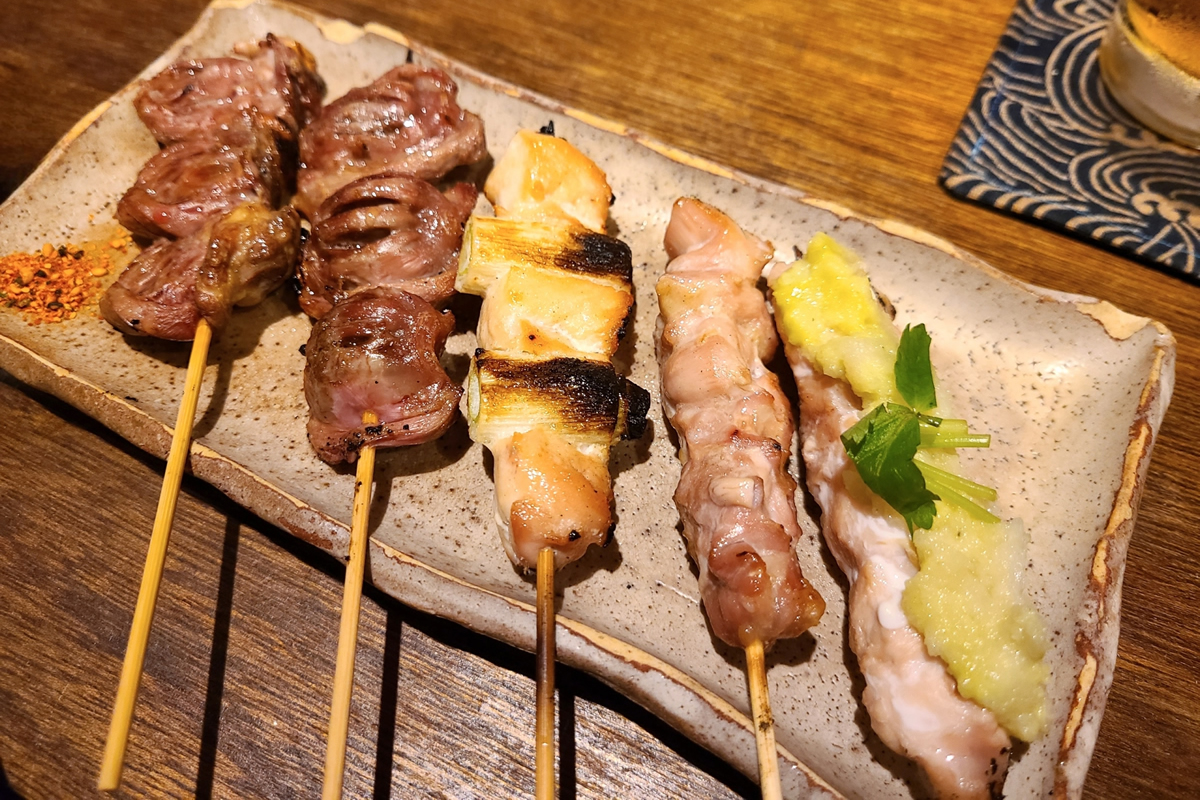
| Yakitori (焼き鳥) |
Chicken and other ingredients grilled on skewers. A popular dish served with either salt (shio) or a sweet-savory sauce (tare) |
 |
|
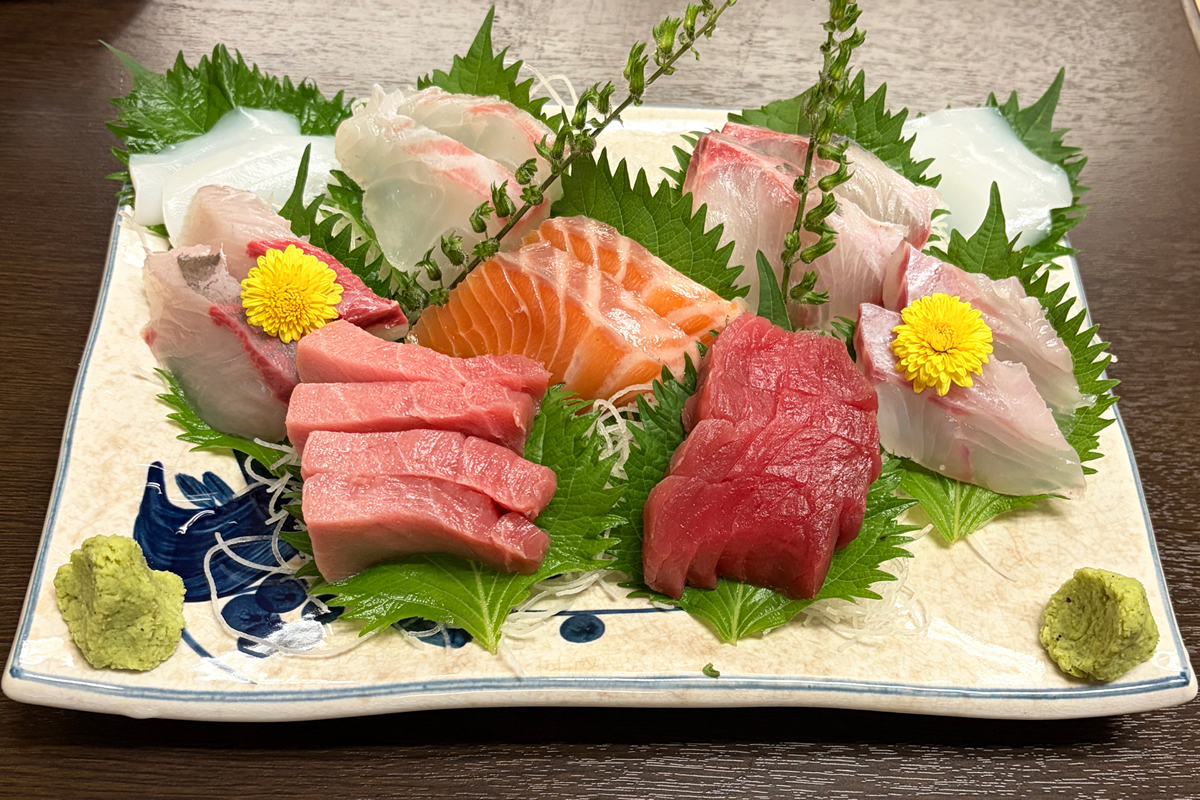
| Sashimi (刺身) |
Fresh seafood sliced and served raw, usually with soy sauce and wasabi. It’s also commonly sold in Japanese supermarkets. If you’re not used to eating raw fish, why not give it a try during your trip to Japan? |
 |
|
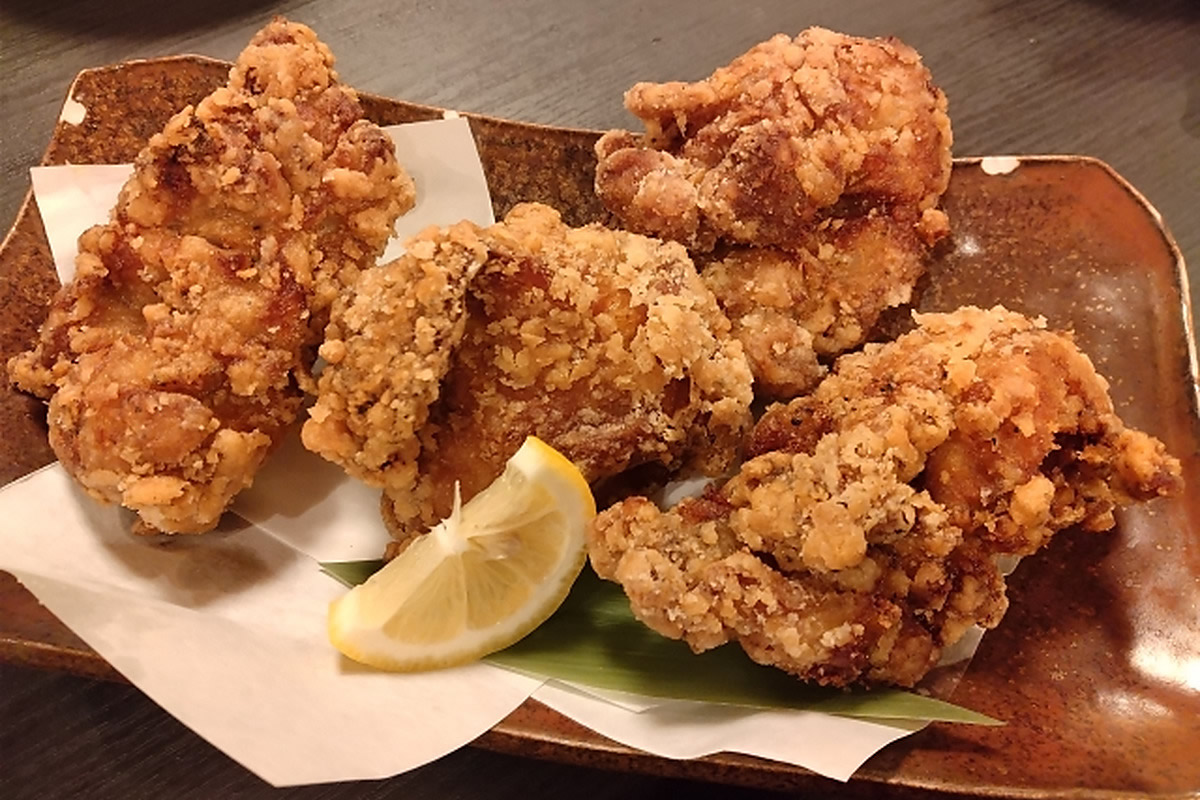
| Karaage (唐揚げ) |
A Japanese favorite: chicken marinated in seasonings and fried until crispy on the outside and juicy on the inside! |
 |
|
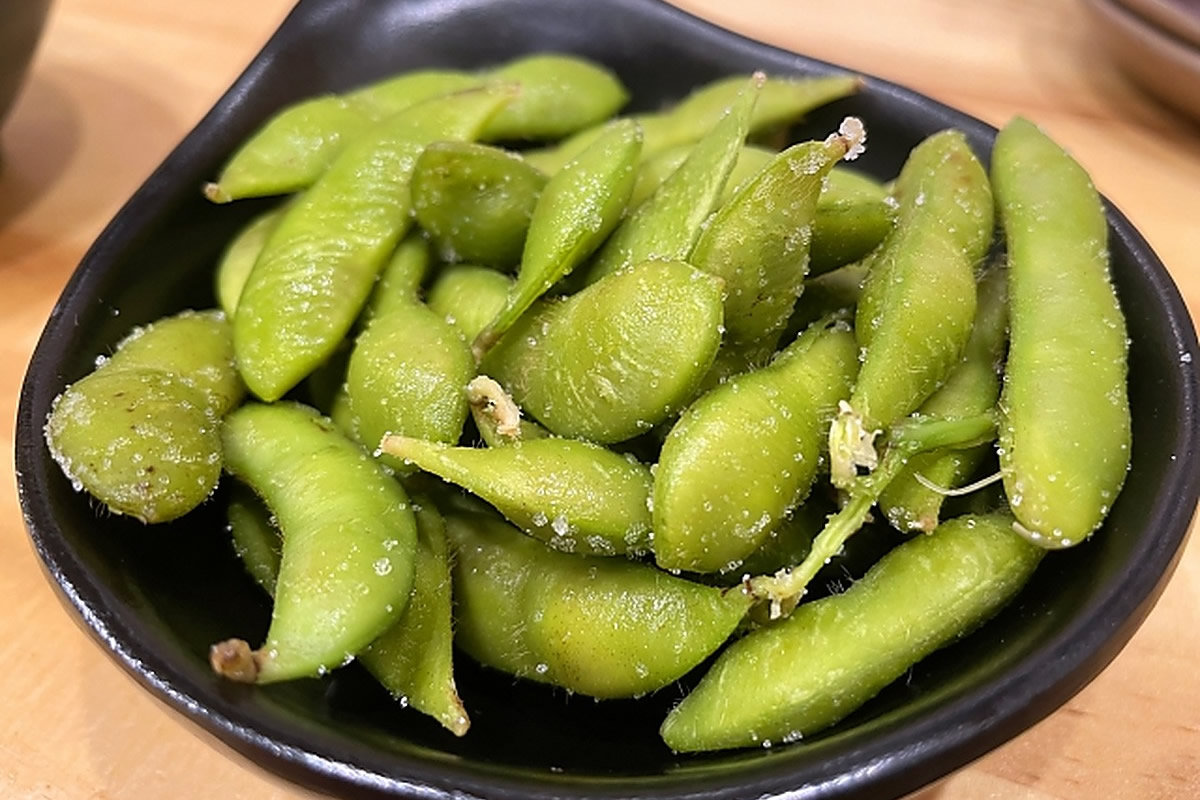
| Edamame (枝豆) |
Young soybeans boiled in salted water—a classic izakaya snack. Open the pods and eat the beans inside |
 |
|
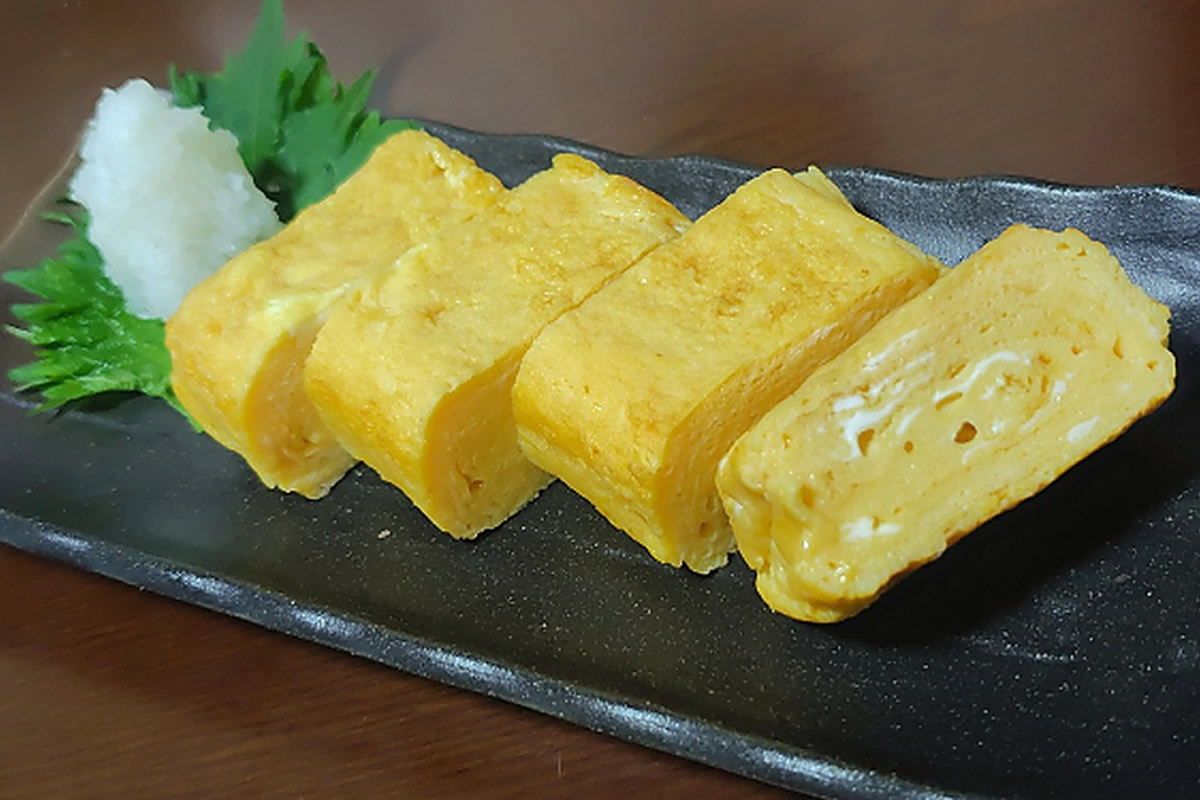
| Dashimaki Tamago (だし巻き卵) |
A soft, fluffy Japanese rolled omelet made with dashi broth. A classic izakaya dish |
 |
|
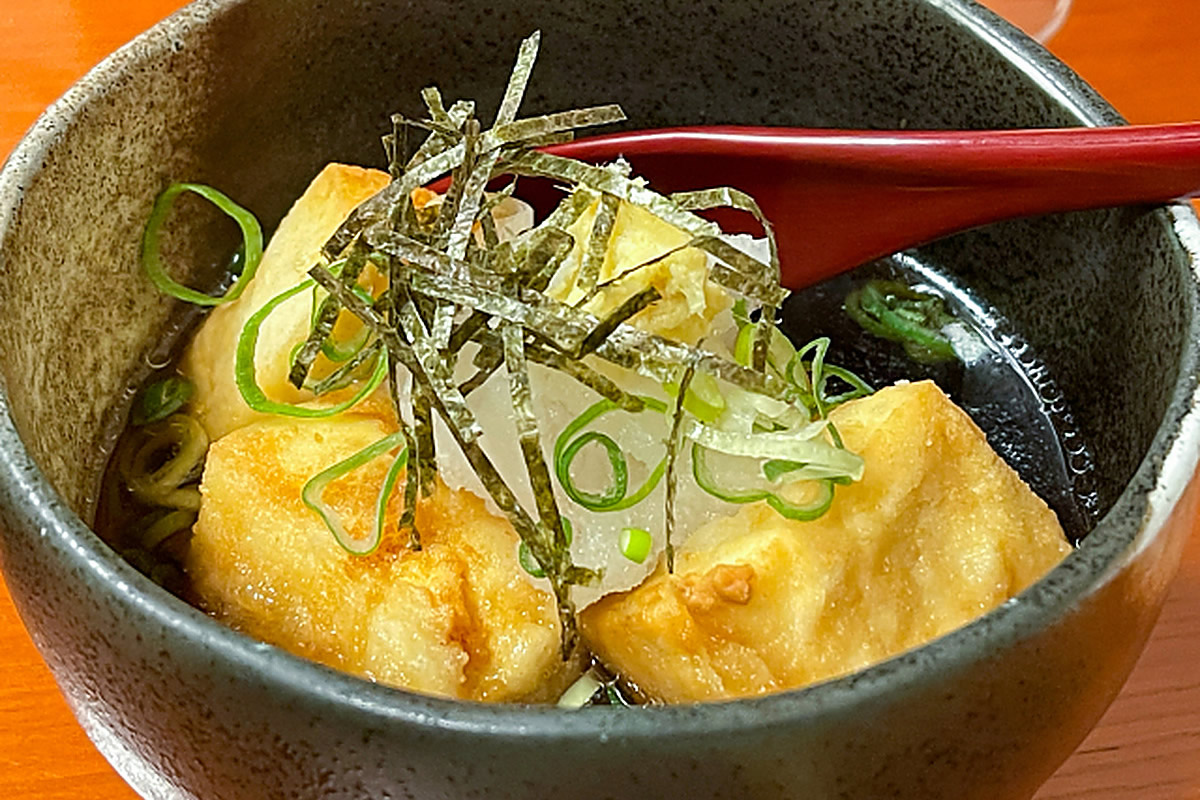
| Agedashi Tofu (揚げ出し豆腐) |
Tofu lightly coated and fried, then served with warm dashi broth. Crispy on the outside and soft inside, with a distinctly Japanese flavor |
 |
|
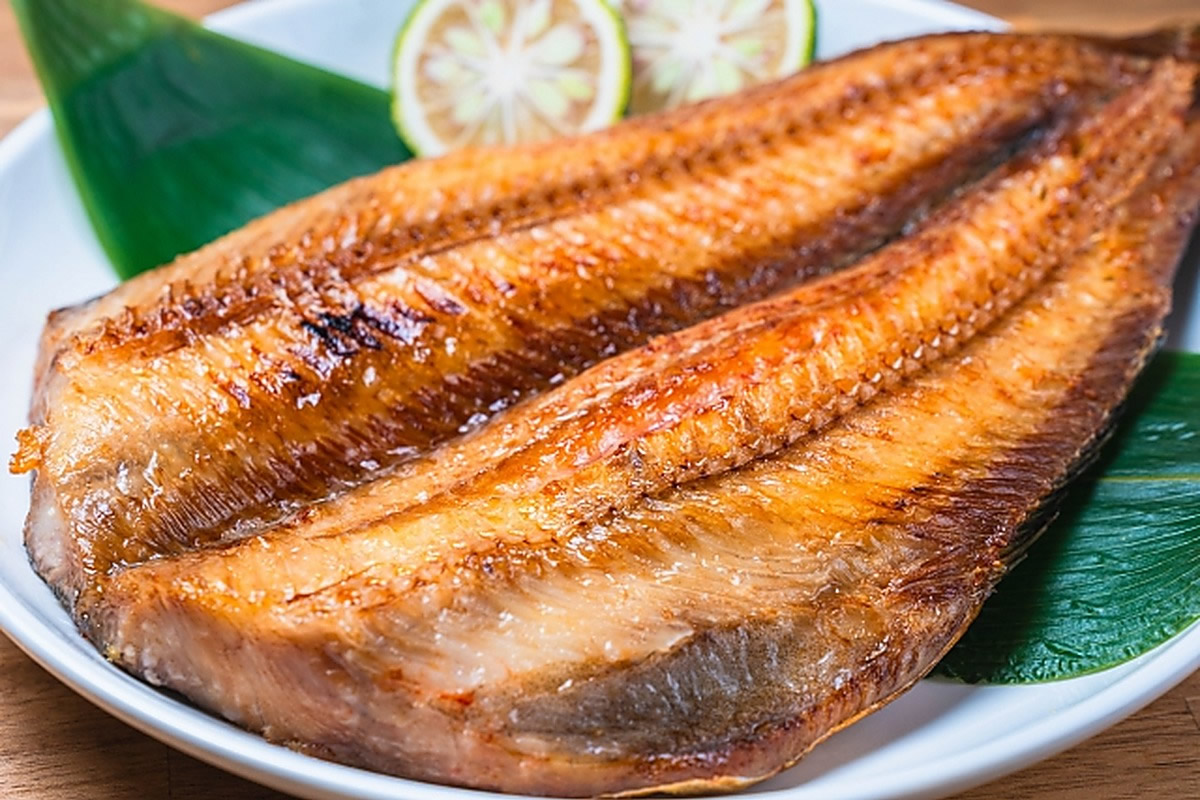
| Grilled Fish (焼き魚) |
Popular choices include split and grilled hokke (Atka mackerel) and salt-grilled saba (mackerel). Enjoy the fragrant grilled fish with grated daikon radish or soy sauce (the photo below shows grilled hokke) |
 |
|
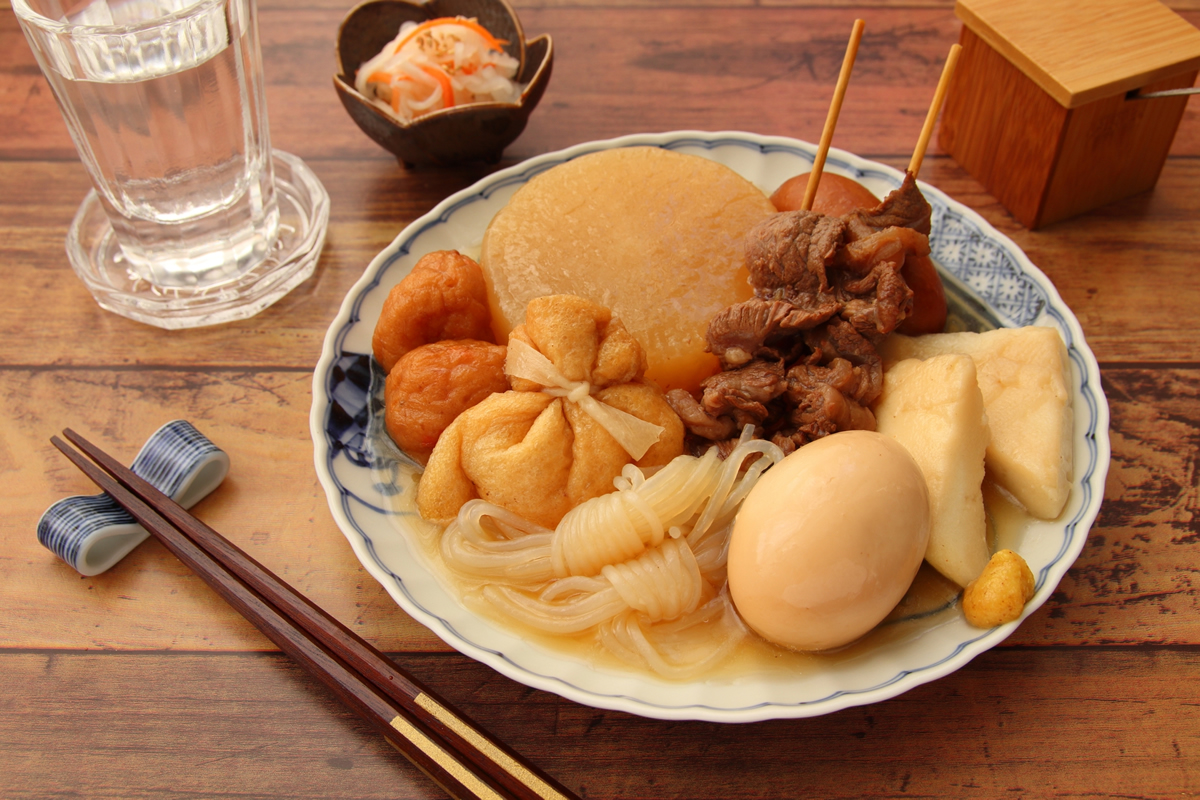
| Oden (おでん) |
A dish of daikon radish, eggs, fish cakes, and other ingredients simmered in dashi broth. Especially good in cold weather, and Japan even has restaurants dedicated to oden |
 |
|
There are lots more delicious choices, too—salads, hot pot dishes, delicacies, and regional specialties! Woof!
Try a little of whatever catches your eye and find your own favorites!
Recommended Drinks to Try at an Izakaya
Along with familiar favorites like beer and highballs, izakaya serve Japanese drinks such as sake and shochu.
Since you’re visiting Japan, why not try something you don’t usually drink back home?
| Drink | What is it like? |
|---|---|
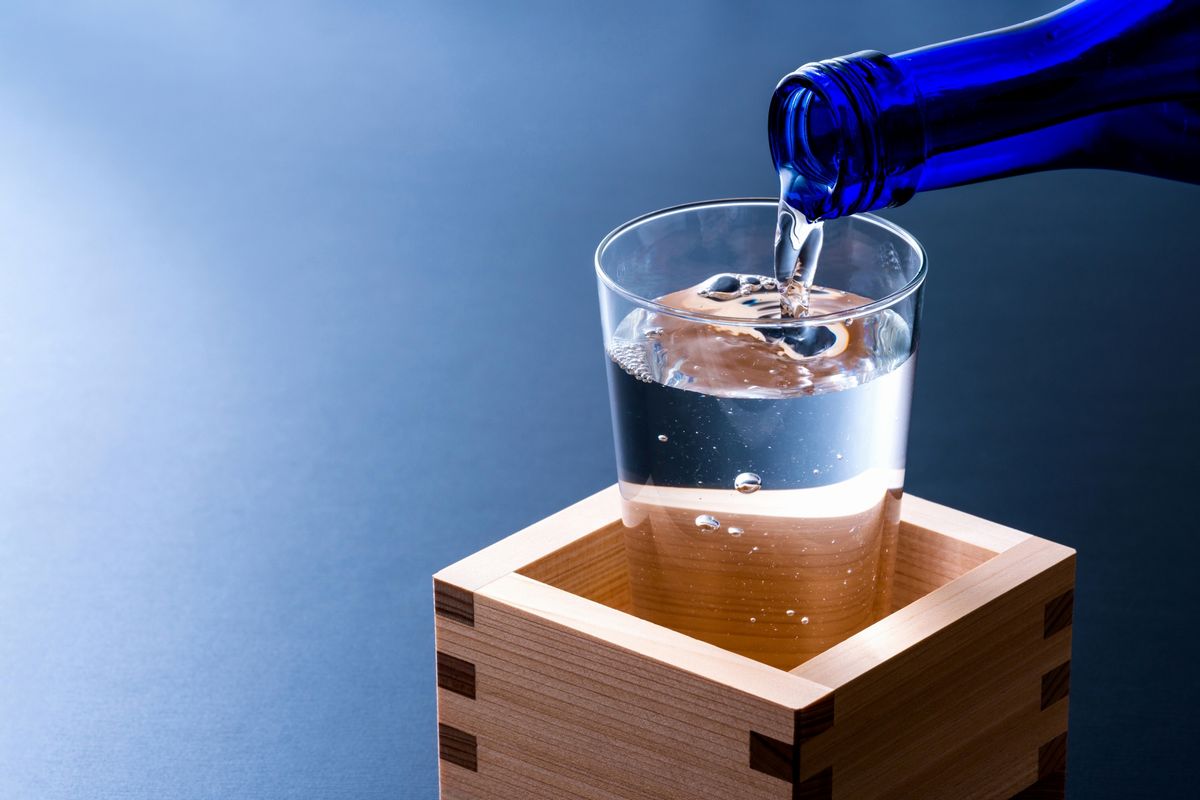
| Sake (日本酒) |
A Japanese alcoholic drink made from rice. Sake is served in different ways, including chilled and hot. Different varieties have their own aromas and flavors, so why not try one that interests you? |
 |
|
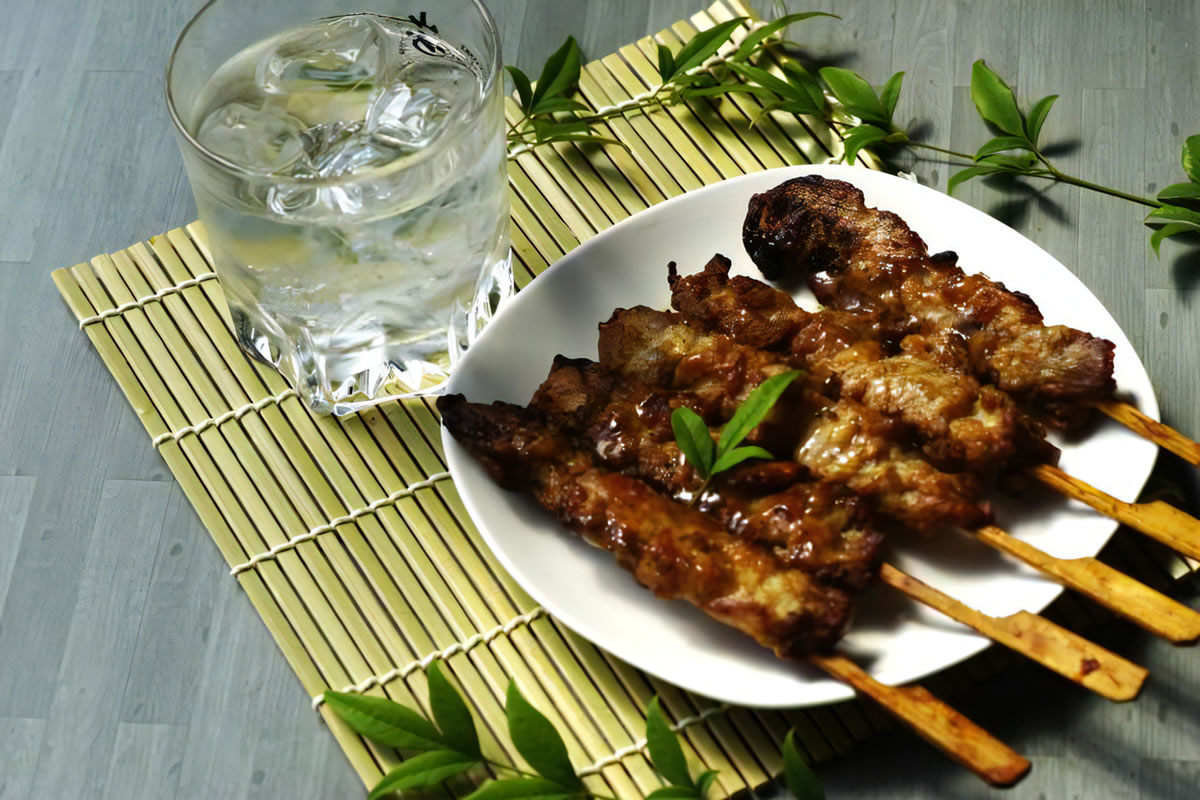
| Shochu (焼酎) |
A Japanese distilled spirit made from ingredients such as sweet potatoes, barley, and rice. Each base ingredient gives it a different aroma and flavor. You can order it on the rocks, mixed with water, hot water, or soda |
 |
|
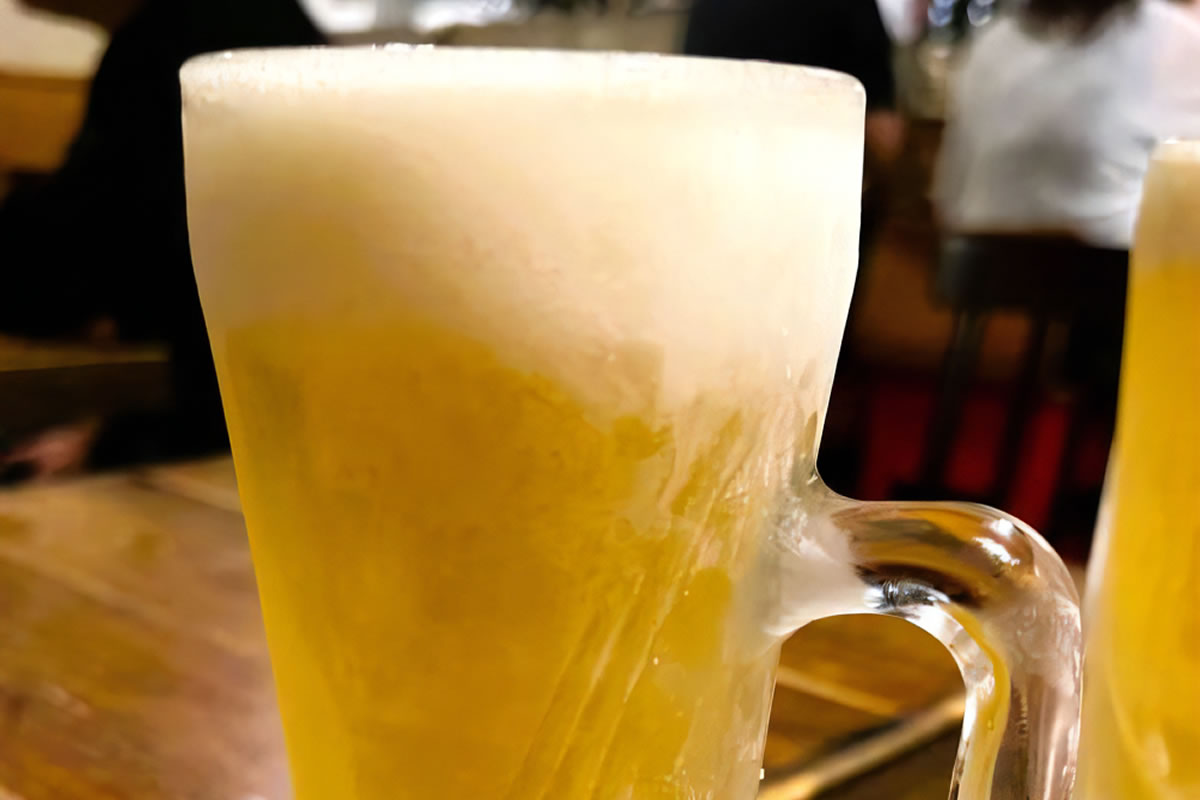
| Draft Beer (生ビール) |
A staple at Japanese izakaya, often served cold in a beer mug. Many people choose it as their first drink. The phrase “Toriaezu nama!” (“Draft beer to start!”) is familiar in Japan |
 |
|
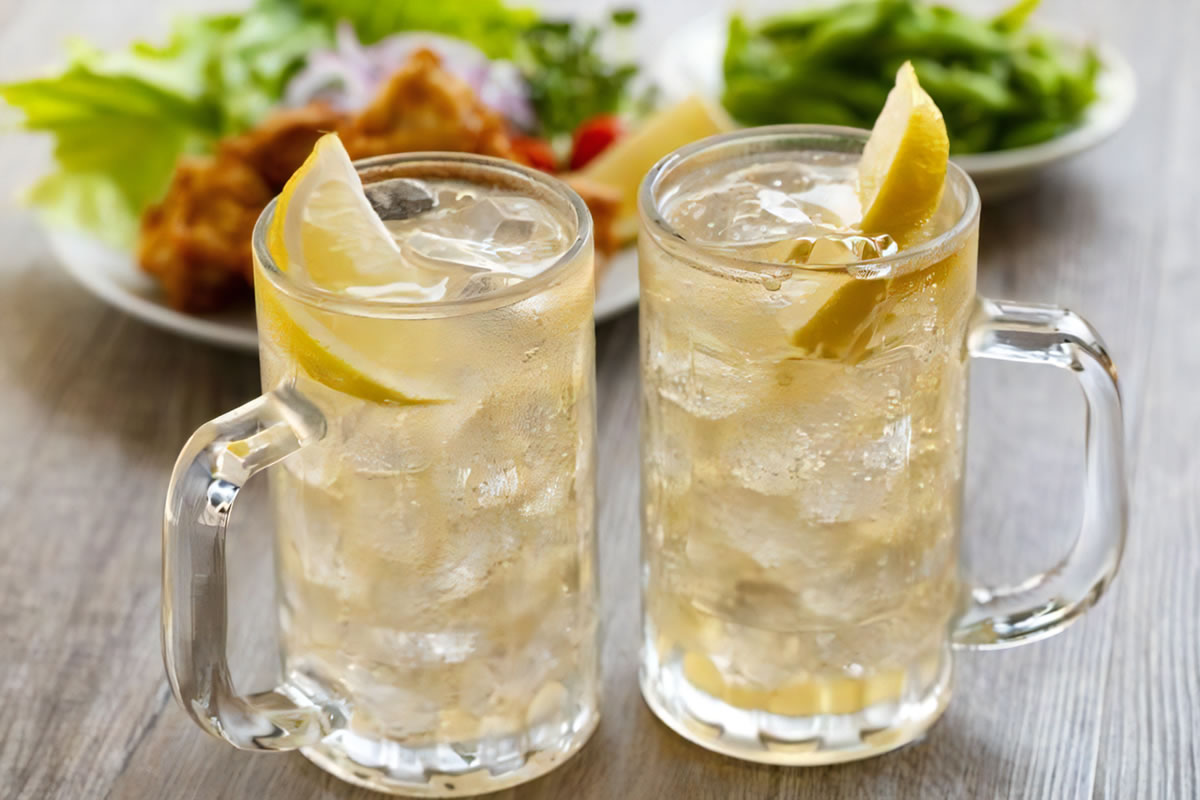
| Highball (ハイボール) |
Whisky mixed with soda water. Light and refreshing, it goes well with dishes such as yakitori and karaage. A popular drink at Japanese izakaya |
 |
|
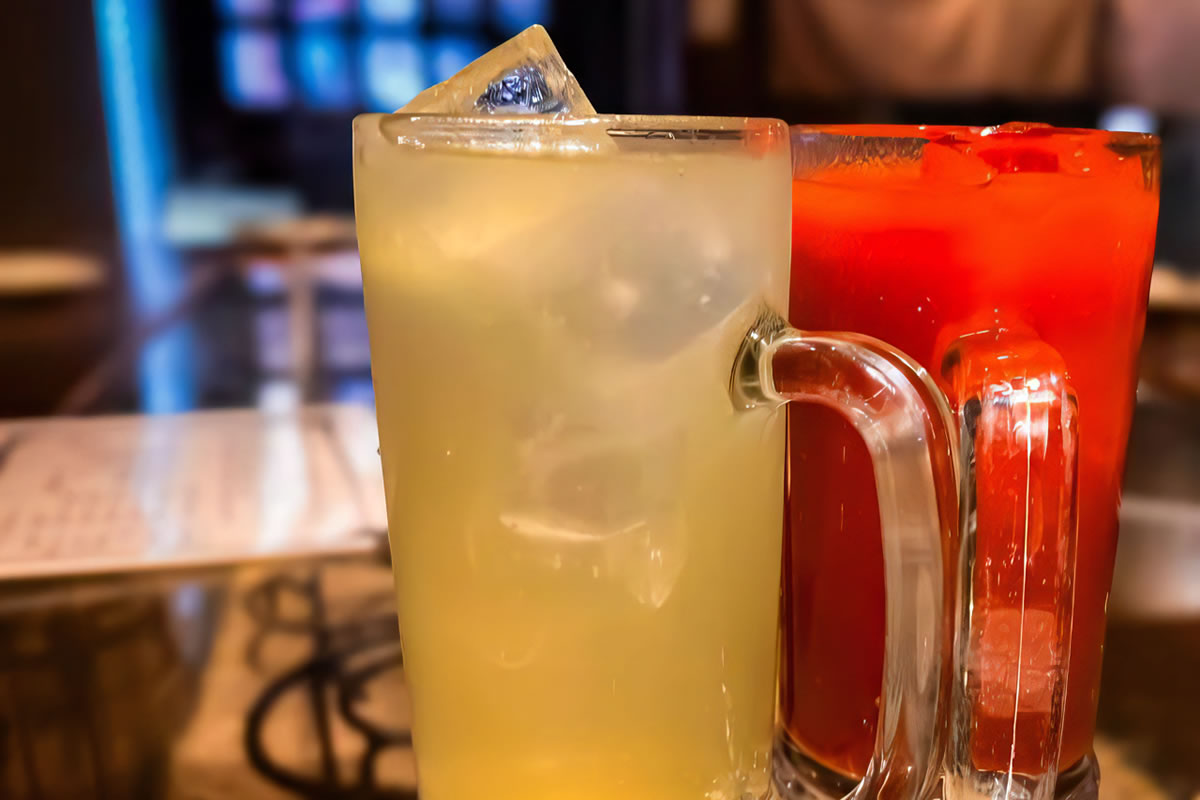
| Japanese Sour / Chuhai (サワー・チューハイ) |
A drink made with mild-flavored shochu or vodka, mixed with fruit juice, soda water, and other ingredients. Flavors include lemon, grapefruit, and plum. At Japanese izakaya, the terms “sour” and “chuhai” are used almost interchangeably |
 |
|
Not drinking alcohol? You can still have a great time with oolong tea, juice, or other soft drinks! Woof!
And if you’d like to try Japanese drinks but can’t decide what to order, ask the staff what they recommend!
How to Enter an Izakaya, Order, and Pay
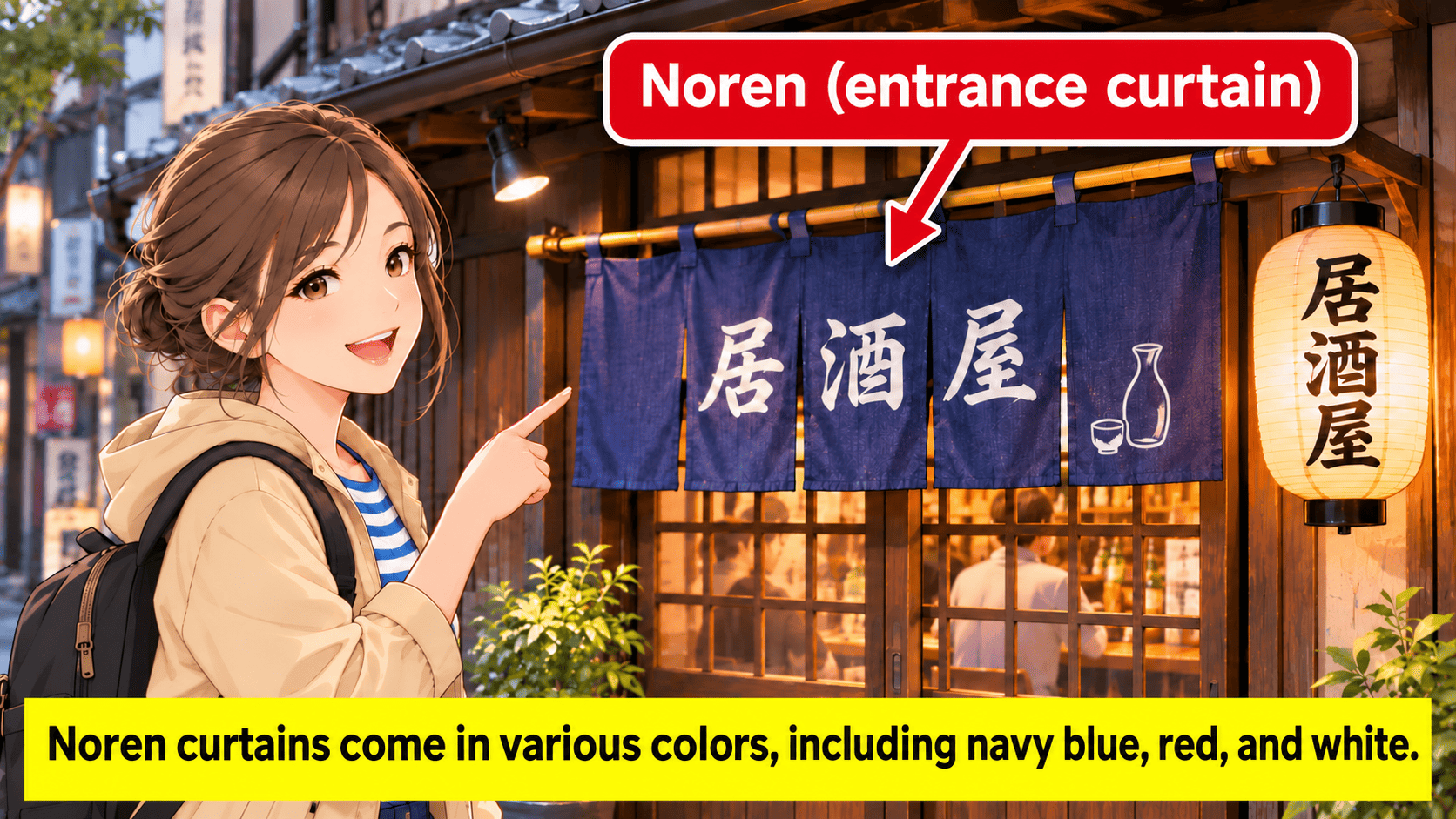
When you enter an izakaya, the staff will show you to a seat, where you can order drinks and food. When you’re finished, you pay the bill.
At smaller izakaya, though, there may not be anyone standing at the entrance to greet you.
Here’s how it works, step by step, so you can feel comfortable even on your first visit.
- Enter the restaurant and wait near the entrance for the staff: At smaller izakaya, you may see a fabric curtain called a noren (のれん) hanging over the entrance. If the restaurant is open, it’s fine to walk through the noren and open the sliding door yourself. If there’s no noren, just enter through the regular doorway. Once inside, don’t choose an empty seat yourself. Tell the staff how many people are in your group. For one person, say “Hitori desu”; for two, “Futari desu.” Holding up your fingers works, too. If the staff don’t notice you, call out to them.
- Sit where the staff directs you: There may be tables, counter seats, or traditional Japanese floor seating (zashiki). If you’re asked to remove your shoes, take them off in the designated area.
- Order a drink: You’ll often be asked what you’d like to drink first. If you don’t drink alcohol, choose oolong tea, juice, or another soft drink.
- Order the food you’d like to eat: Ordering methods vary by restaurant: paper menus, tablets, and QR-code ordering are all used. If you’re ordering directly from a staff member, you can point to a photo or a dish name.
- Order more as you eat: It’s completely normal to order more food or drinks during your meal at an izakaya. You can order whenever you see something else you’d like to eat or when your drink runs out. It’s also fine to order just one more drink.
- Ask for the bill when you’re finished: At a table, call a staff member and say “Okaikei onegaishimasu” (“The bill, please”). If they hand you the check, take it to the register to pay. If you’re sitting at the counter, you can ask the staff for the bill right there.
If you can’t read a Japanese menu, your phone’s camera translation feature can be really helpful.
And if you’re having trouble choosing among different kinds of sashimi or grilled fish, ask the staff, “Osusume wa nan desu ka?” (“What do you recommend?”).
Useful Japanese Phrases for Talking to Staff
If there’s a call button, press it. Otherwise, call out to the staff.
Even a few short Japanese phrases can help when you don’t share a language.
- “Sumimasen” (すみません):To get a staff member’s attention
- “Kore o kudasai” (これをください):When pointing to something on the menu to order it
- “Okaikei onegaishimasu” (お会計お願いします):When you’re finished and want to pay
At a Japanese izakaya, it’s fine to call out “Sumimasen” whenever you need a staff member.
I raise my hand and call out, “Sumimaseeen!”
What Is Otoshi, the Small Dish You Didn’t Order?
One thing that can surprise first-time izakaya visitors is otoshi (お通し).
After you sit down, a small dish may be brought to your table even though you didn’t order it.
Otoshi isn’t a free service. At izakaya that serve otoshi, there is usually a charge per person.
For example, if two people visit a restaurant that charges ¥400 per person for otoshi, the otoshi alone will cost ¥800. This is added to the price of the food and drinks you order.
Otoshi generally costs around ¥200–¥1,000 per person and, as mentioned earlier, also includes a seating fee.
If you have food allergies or dietary restrictions for religious reasons, tell the staff when you enter and check whether the otoshi contains any ingredients you can’t eat.
If it does, ask whether they can replace it with a different otoshi dish. If explaining in Japanese is difficult, show them a translation on your phone.
If you have a food allergy in particular, don’t eat anything unless you can confirm it’s safe for you.
Otoshi is a tradition unique to Japanese izakaya. Its name refers to the first order being “passed along” to the kitchen.
When the otoshi tastes good, it raises my expectations for the rest of the meal!
Izakaya Budgets and Payment Methods
Many izakaya are reasonably priced, but because you keep ordering more dishes and drinks, the final bill can be higher than you expected.
A useful budget is around ¥4,000–¥6,000 per person, including drinks.
That’s only a general guideline, of course. Premium alcohol, seafood-focused restaurants, or ordering a lot of food will naturally cost more.
Is All-You-Can-Drink (Nomihodai) Worth It?
Some izakaya offer all-you-can-drink plans called nomihodai (飲み放題).
You pay a fixed price and can order additional drinks from a set menu during a specified period. Some plans last around one to two hours; others come bundled with a food course.
Whether it’s a good deal depends on how much you drink.
- Everyone in the group usually has to join:To prevent people from sharing drinks, most places require the entire group to order the all-you-can-drink plan. For example, if three people visit together, one person generally cannot sign up for the plan alone. Check the plan’s conditions before ordering.
- Not every drink is included:Eligible drinks vary by plan, and some plans don’t include beer.
With all-you-can-drink, finish your current drink before ordering the next one. Many places require you to exchange your empty glass for a fresh drink.
If you order a drink that’s not included in the plan, you’ll be charged for it separately.
If you’d rather relax without watching the clock, there’s no need to choose all-you-can-drink. Ordering each drink individually may suit you better.
Can You Pay with Cash or a Card? Do You Need to Tip?
Some major chains accept credit cards and other cashless payments, but smaller izakaya may accept cash only.
If you want to pay without cash, check the payment logos displayed outside the restaurant or the payment information on its official website before entering. Compare those logos with the brand on the card you plan to use. Carry some cash as a backup in case you can’t find the information.
You don’t need to tip at izakaya—or at other restaurants in Japan, either. Woof!
Just pay the amount shown on the bill.
Things to Know Before Visiting an Izakaya
Izakaya are casual places to enjoy yourself, but their size and house rules vary.
A few things are worth knowing beforehand so you’re not caught off guard.
Can You Go Alone? Do You Need a Reservation?
Some izakaya welcome solo diners. Places with counter seating can be especially comfortable when you’re eating alone.
Some restaurants accept walk-ins, but they can fill up on Friday and Saturday nights, the evenings before national holidays, and at busy times.
Even if you see an empty seat, it may already be reserved, and the restaurant may not be able to seat you.
If you have a particular izakaya in mind, check its official reservation page for the date, number of guests, and seating conditions, and book if needed.
If you’re visiting a small izakaya without a reservation, going relatively early, just after it opens, may make it easier to get a seat.
Can You Smoke at an Izakaya? Can You Bring Children?
As a general rule, indoor smoking is prohibited at restaurants in Japan. However, establishments that meet certain legal requirements may have areas where smoking is permitted.
People under 20 are not allowed into smoking-permitted areas.
Look for signs near the entrance, such as “No Smoking” (禁煙), “Smoking Permitted” (喫煙可能店), or “Smoking Room Available” (喫煙専用室あり), if this is important to you.
Many small izakaya keep the dining area smoke-free and place an ashtray outside the entrance.
If you’re dining alone at the counter in a place like this, let the staff know you’re stepping out for a cigarette (“Tabako o sutte kimasu”), then go to the designated ashtray outside.
Izakaya are places where adults go to enjoy food and drinks.
Some allow families with children, but the other customers may not be used to having children around.
If you want to enjoy a meal with your children without worrying about the atmosphere, I recommend a family-friendly restaurant.
Never Follow Strangers Trying to Lead You into Restaurants

In nightlife districts such as Shinjuku, some customers have received huge bills at restaurants after being approached and led there by people on the street. The Tokyo Metropolitan Police Department has also issued warnings.
Find a restaurant yourself using Google Maps or another source, and check its name, location, menu, and prices before you go.
If you’d rather not worry about these problems, choosing a chain restaurant or one listed in a guidebook is a good option.
Enjoy a Night Out in Japan with Your Favorite Izakaya Dishes
If you want to try a variety of Japanese foods, an izakaya is a great choice.
Yakitori, karaage, sashimi, Japanese omelets—order a few dishes and try them side by side. It’s a fun change from your usual dinner.
Choose an izakaya you’d like to visit ➤ Book through its official website if necessary ➤ Go in and order your favorite dishes ➤ Enjoy ordering more as you go ➤ Pay the total at the end
If you like alcohol, enjoy your food with a drink. If not, have a soft drink instead.
Give an izakaya dinner a try on one of your nights in Japan! Woof!
Get a Taste of Japanese Izakaya Through Manga!

If you’re interested in Japanese izakaya, I also recommend the manga “Otherworldly Izakaya Nobu” (異世界居酒屋「のぶ」).
It’s a food fantasy about people in another world discovering Japanese izakaya dishes and drinks for the first time—and being amazed and delighted by them.
An English edition is available, so if you love manga, why not read it before your trip to Japan?
The series has also been adapted into an anime and a live-action TV drama.
After reading it, I bet you’ll be even more curious to taste the food at an izakaya!