
Is it safe for women to go out alone at night while traveling in Japan?
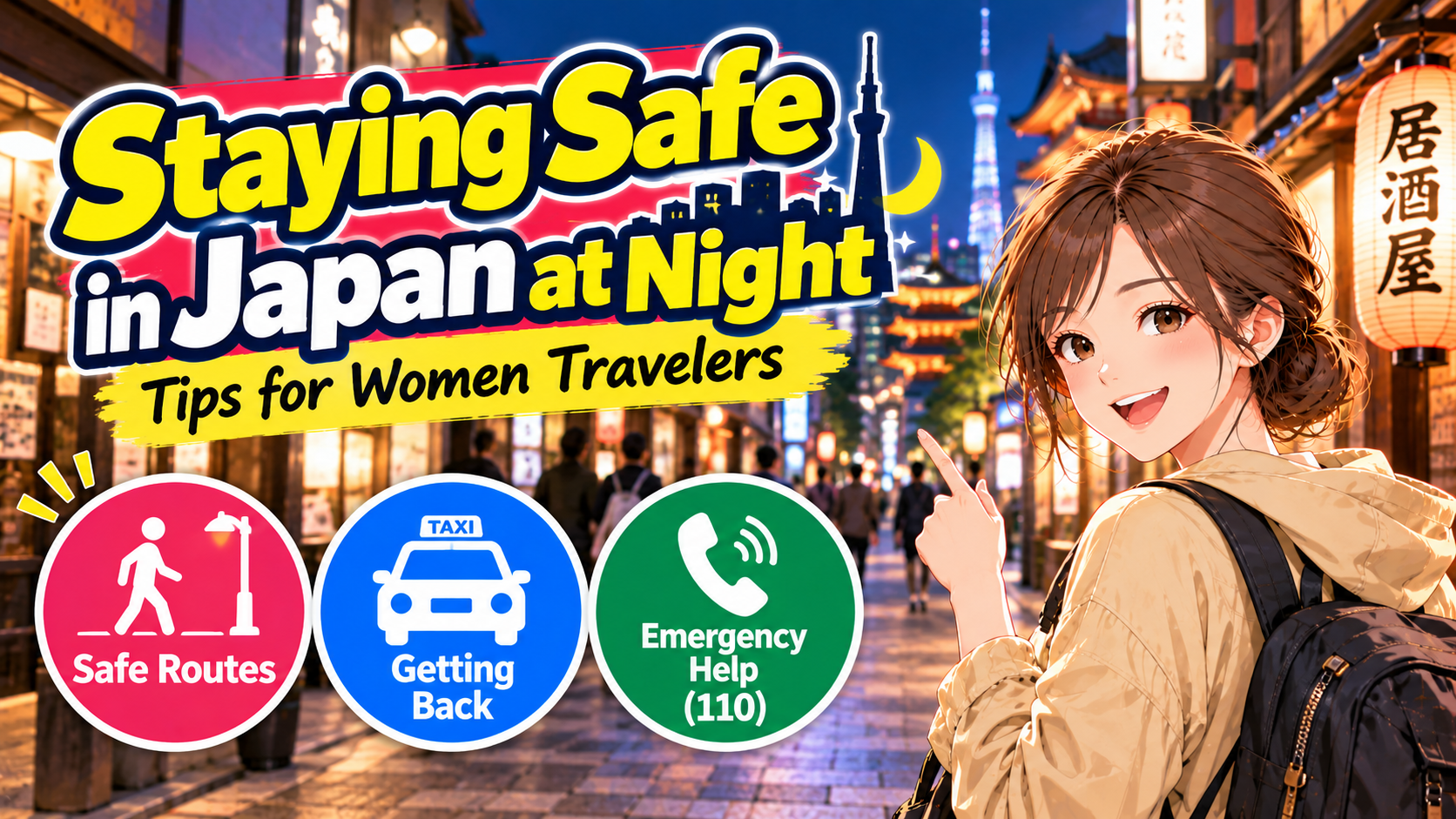
To put it simply, women traveling in Japan don’t need to be overly afraid of walking alone at night. However, it’s important to pay attention to where you walk, the time of night, and what’s happening around you.
Whether you’re heading back to your hotel after enjoying the night views or having dinner on your own, evenings in Japan are part of the fun of traveling, too.
That said, unwanted approaches, being followed, and groping do happen in Japan.
You need to be especially careful if you get lost in an unfamiliar area or are out late at night when there are fewer people around.

If you want to enjoy a night out, make sure you’ve also planned how to get back to your hotel.
- Is It Safe for Women to Walk Alone at Night in Japan?
- Places Where Women Should Be Extra Careful Walking Alone at Night
- How to Prepare for a Safe Trip Back to Your Hotel
- What Should You Do if Someone Approaches or Follows You?
- Can You Get Help if You Don’t Speak Japanese?
- How to Decide Whether to Go Out Alone at Night
- Related Articles for Going Out and Getting Around at Night
Is It Safe for Women to Walk Alone at Night in Japan?
You can’t judge whether a nighttime walk is safe or dangerous based on the time alone.
Even at the same hour, a well-lit street near a station is very different from a quiet back alley with no one around.
Let’s look at two examples: around 9–10 p.m. and midnight to 3 a.m.
Around 9–10 p.m.: Check the Route to Your Hotel
If you’re heading back to your hotel after dinner around 9–10 p.m., check the route from the station to where you’re staying.
Some station areas have restaurants and plenty of people around, while others turn into quiet residential streets just a short walk away.
If you can get back to your hotel along well-lit streets with plenty of people around, you don’t need to avoid going out at night unnecessarily.
But don’t take a dark alley just because it’s a shortcut.
Midnight to 3 a.m.: Decide How You’ll Get Back in Advance
Late at night, shops close, and even some station areas become quieter.
Regular local buses and trains in Japan also stop running at night.
If you want to stay out late enjoying the night views or visiting restaurants, decide how you’ll get back to your hotel before you go out.
Will the trains still be running when you leave? If the last train has already gone, will you need a taxi?
If the route back is dark, deserted, or makes you feel uneasy, don’t force yourself to walk.
Places Where Women Should Be Extra Careful Walking Alone at Night
It’s not just certain cities you need to be careful about when walking at night in Japan.
Be especially careful in nightlife districts with lots of street touts and in places where it would be difficult to ask someone for help.
Nightlife Districts Such as Kabukicho and Osaka’s Minami Area
Kabukicho in Shinjuku, Tokyo, and the Minami area of Osaka are filled with restaurants, bars, and entertainment venues.
There’s nothing wrong with visiting these areas as a tourist.
However, police warn about problems involving street touts and recruiters in these nightlife districts.
Some lure people into establishments by advertising low prices, only for them to face unexpectedly high bills.
Never follow a stranger who approaches you on the street and invites you into a bar or other establishment.
This doesn’t mean Kabukicho and Minami are the only places where you need to be careful.
What’s important is not going into an establishment you hadn’t planned to visit just because a stranger invited you.
Dark Alleys and Streets With Few People Around
Residential streets, riverside paths, and areas near parks may be pleasant to walk through during the day but become quiet at night.
Police also advise people to choose well-lit streets with plenty of people around at night and to avoid walking while distracted by their phones or headphones.
Even if Google Maps shows you a shorter route, you don’t have to take it.
It’s better to take a slightly longer route along well-lit streets with other people around.
How to Prepare for a Safe Trip Back to Your Hotel
When you’re going out at night, getting back to your hotel is just as important as getting to your destination.
Even if your hotel is only a few minutes’ walk from the station, the route may feel very different at night depending on which exit you use and which streets you take.
Check the Route to Your Hotel Before You Go Out
First, open the walking route to your hotel on your phone’s map and check whether you can get back using main streets.
Street View can also help you check how wide the streets are and what buildings are nearby.
However, photos taken during the day won’t tell you how well-lit or busy those streets will be at night.
If you’re planning to arrive at your hotel late, I recommend checking the route from the station in advance.
Check the Last Train for Every Connection
If you’re going out late, use the public transit directions in a map app to find your route back to the station closest to your hotel.
Then check the railway operators and lines you’ll use, and look up the last trains from your boarding station and any transfer stations on the operators’ official timetables.
Even if you catch your first train, you won’t make it all the way back to your hotel if the last connecting train has already left.
If you miss the last train, use another way to get back, such as a taxi.
And if you’re uncomfortable walking from the station to your hotel, there’s no need to insist on walking.
What Should You Do if Someone Approaches or Follows You?
If you don’t understand Japanese, you might wonder, “What are they saying?” or “Would it be rude not to answer?”
But you don’t have to accept an invitation from a stranger.

You don’t have to convince them!
Don’t Stop to Engage With People Hitting on You or Street Touts
If a stranger says, “Let’s have a drink together” or “I know a great place,” you can simply keep walking if you’re not interested.
If someone repeatedly approaches you or blocks your path, don’t argue with them. Move somewhere with other people around.
If You Think Someone Is Following You, Don’t Go Straight to Your Hotel Room
If you think someone is following you, don’t head down a deserted street. Go into an open convenience store, a hotel lobby, or another staffed business and ask for help.
The Tokyo Metropolitan Police Department also advises people who feel they are being followed to seek help at a nearby convenience store or similar place, or call 110.
If you think someone may be following you, don’t lead them back to your hotel room.
If you feel you’re in danger, open your phone’s dial pad, enter “110,” and press Call.
In Japan, 110 is the emergency number for the police.
If you can’t connect to 110 from your phone, ask staff at the store or hotel where you’ve taken shelter to call the police for you.
If Someone Touches You or Blocks Your Way
If someone touches you, grabs your arm, or prevents you from leaving, get away if you can do so safely and ask for help somewhere with other people around.
If you’re able to shout, you can call out “Tasukete kudasai!” (Help me!) to get people’s attention.
If you’ve been assaulted or are still in danger, you need to contact the police.
Can You Get Help if You Don’t Speak Japanese?
Yes. You can call the police or ask people nearby for help even if you don’t speak Japanese.
In Japan, 110 is the emergency number for the police, and 119 is the number for an ambulance.
There are a few things foreign visitors should know about using these services.
How to Call the Police at 110
If you feel you’re in danger, open the phone app on your smartphone, enter “110,” and press Call.
When you’re connected to the police, tell them what happened and where you are.
If you don’t know the address, give them the name of a nearby station, intersection, store, or building.
Police in Tokyo and Osaka say they can connect emergency callers with interpreters. Don’t give up on calling just because you don’t speak Japanese.
However, foreign visitors may not be able to connect to 110 from their smartphones.
According to Osaka Prefectural Police, smartphones using international roaming may not be able to connect to 110.
Also, a data-only eSIM does not provide ordinary voice calling on its own.
If you can’t connect to 110, ask a nearby shop employee or hotel staff member to call the police for you.
Ask Store or Hotel Staff for Help
If you can’t find the words, show someone the following Japanese message on your phone.
助けてください。誰かにつけられています。警察を呼んでください。
This message is for when someone is following you.
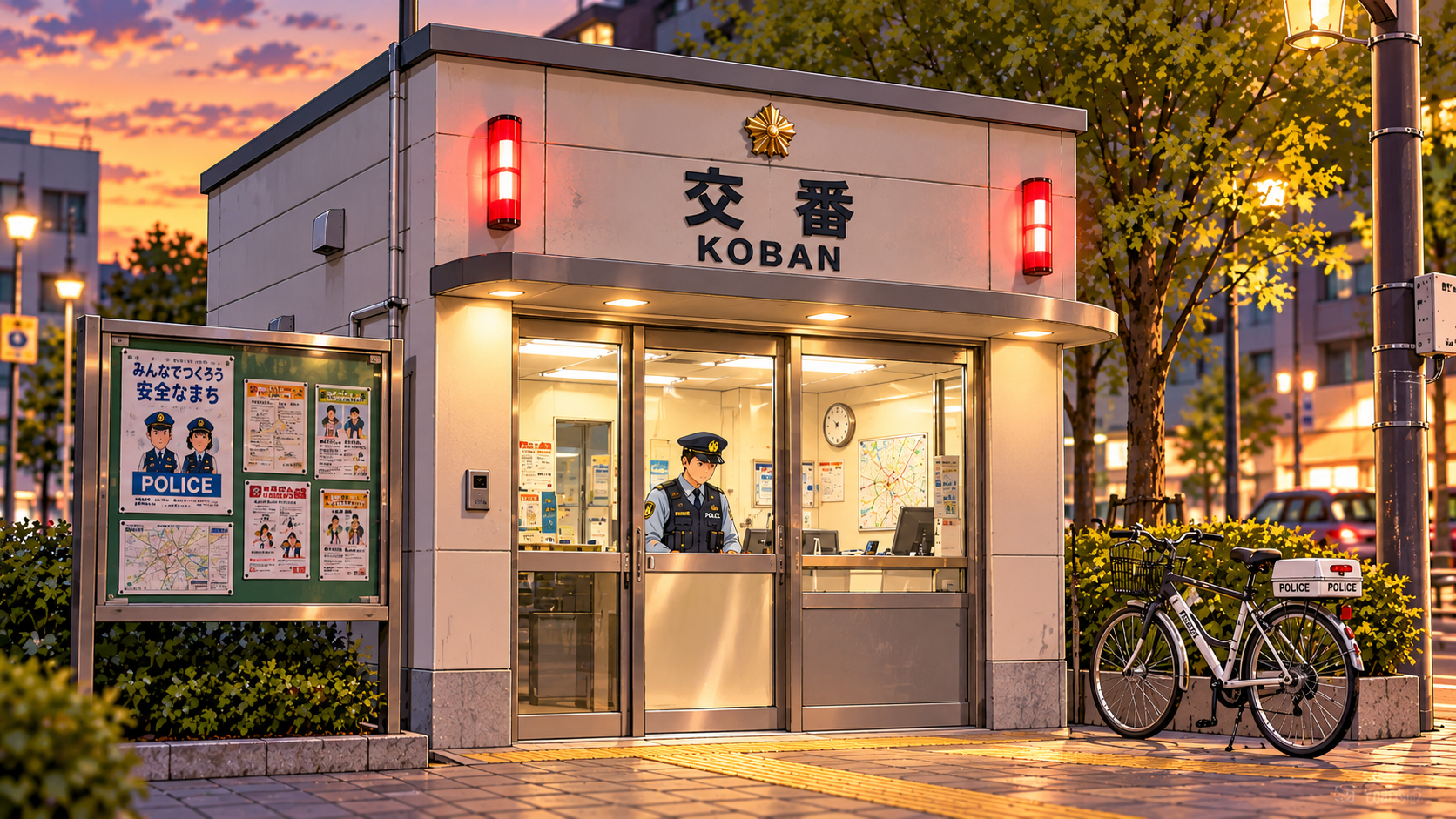
Japan also has small neighborhood police posts called koban (交番).
You can go to one if you’re lost or need to report an incident. But if you’re in immediate danger, don’t spend time searching for a koban. Get help from people nearby or make an emergency call first.
How to Decide Whether to Go Out Alone at Night
You don’t have to give up enjoying the night views in Japan or going out for dinner on your own.
Before you go out, check these three things.
- Your route: Can you get back to your hotel on well-lit streets with plenty of people around?
- When you’ll return: Can you catch the last train and make your connections? If not, is there another way to get back?
- What to do if something goes wrong: Is there somewhere you can ask for help? How will you contact the police in an emergency?
Rather than assuming you’re safe just because you’re in Japan, decide whether to go out at night based on the route you’ll take and how you’ll get back.
Walk if the route feels safe. If the way back is dark, you might miss the last train, or something has frightened you, choose another way back.
Enjoy Japan at night, but put your safety first.
Above all, avoid dark streets, back alleys, and streets with few people around.
If you’re uneasy about walking alone at night, I recommend taking a taxi.
Related Articles for Going Out and Getting Around at Night
Here are some other articles on transportation and useful travel information to help you enjoy Japan at night with peace of mind.