
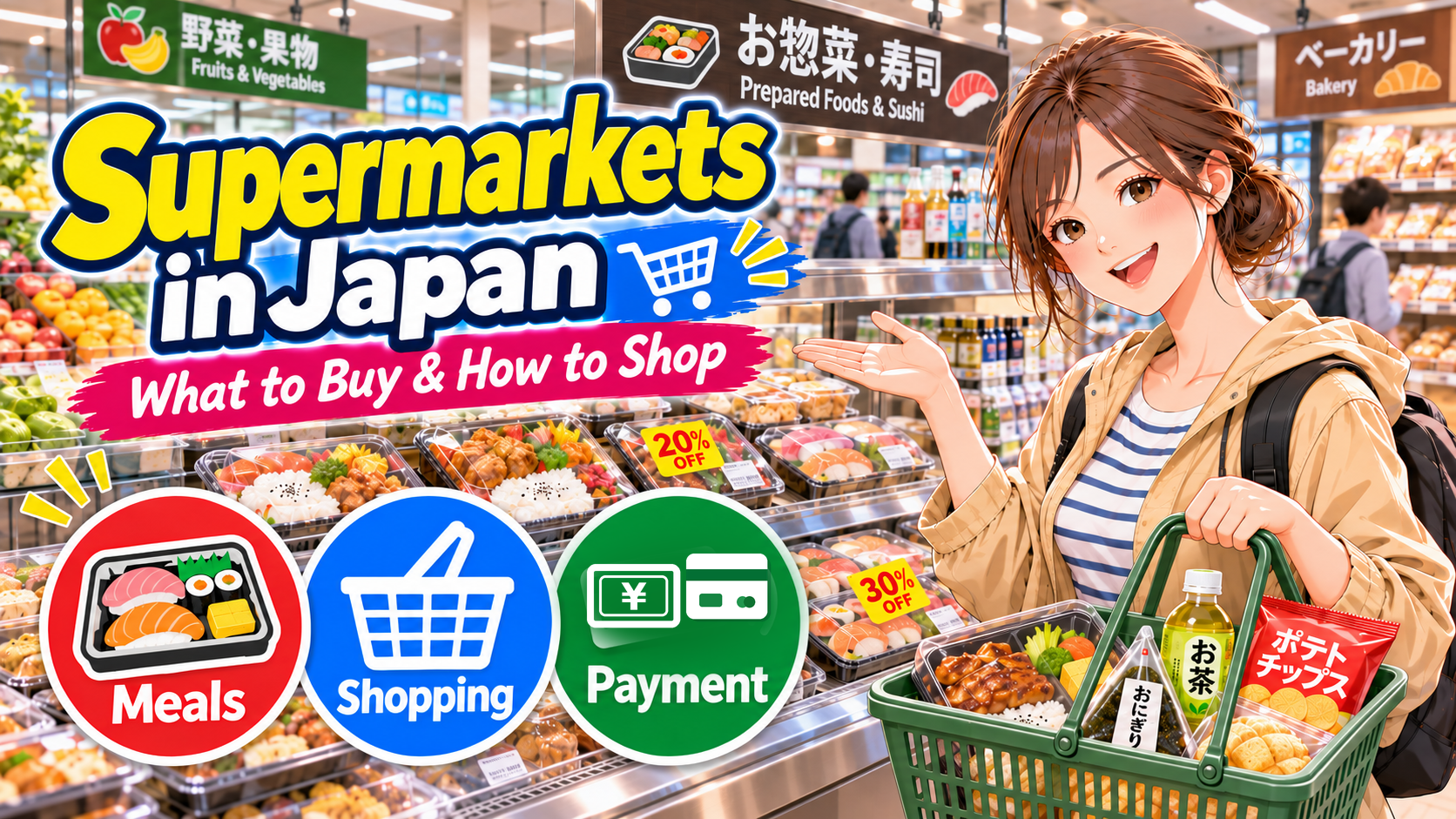
Japanese supermarkets sell a wide range of food that’s handy when you’re traveling, including sushi, bento meals, prepared dishes, bread, fruit, snacks, drinks, and alcohol.
They’re a great place to stop on your way back to the hotel after sightseeing, whether you’re picking up dinner or breakfast for the next morning.
Shopping is straightforward, too. Put what you want in a basket, pay at the checkout, pack your purchases, and take them with you. You don’t need a membership.
We recommend supermarkets when you want to stock up on food and drinks, and convenience stores when you just need a few things quickly.
Keep in mind that opening hours and the selection of products vary by supermarket.
| What you want to do | Recommended |
|---|---|
| Choose from a variety of bento meals, prepared dishes, and fruit | Supermarket |
| Stock up on snacks and drinks | Supermarket |
| Pick up a few items quickly | Convenience store |
| Shop late at night | Convenience store |
- What Can You Buy at Japanese Supermarkets?
- Supermarkets vs. Convenience Stores: Which Should You Use?
- How to Find a Supermarket Near You
- How to Shop at a Japanese Supermarket
- Look for Discounted Food in the Evening
- What to Know About Eating Supermarket Food at Your Hotel
- So, How Should You Use Supermarkets During Your Trip?
What Can You Buy at Japanese Supermarkets?
Japanese supermarkets aren’t just for people buying ingredients to cook at home.
You’ll also find plenty of ready-to-eat food, making them useful even if you’re staying in a hotel without a kitchen.
Bento, Sushi, and Prepared Foods
Start with the bento and prepared-food section.
- Bento: Boxed meals with rice and side dishes
- Sushi: Packs of nigiri sushi, sushi rolls, and more
- Sashimi: Packs of sliced raw fish, ready to eat
- Prepared dishes: Fried chicken, croquettes, tempura, salads, and more
- Onigiri and sandwiches: Easy snacks and light meals
Prepared dishes come in everything from small, single-serving packs to larger portions you can share.
They’re handy when you’d rather skip a restaurant and enjoy a few different foods in your hotel room, perhaps with a drink in the evening.
Bread, Fruit, Dairy Products, and Drinks
For breakfast, look for bread, yogurt, milk, fruit, and juice.
Some supermarkets sell both packaged bread and freshly baked bread from an in-store bakery.
Fruit may be sold whole or in ready-to-eat, pre-cut packs.
If you don’t have cooking utensils, choose something you can eat as it is.
You must be at least 20 years old to buy alcohol in Japan.
You may be asked to verify your age, so be ready to show your passport or another form of ID.
Snacks, Seasonings, and Shelf-Stable Foods
Supermarkets also sell snacks, instant noodles, ready-to-eat curry pouches, tea, furikake (rice seasoning), and other seasonings.
It’s also fun to look for snacks and foods you enjoyed in Japan to bring home as souvenirs.
If you’re bringing food back to your home country, choose products that can be stored at room temperature and check the food import rules of your destination country.
Supermarkets vs. Convenience Stores: Which Should You Use?
One of the biggest advantages of supermarkets is the wider selection of food and the convenience of buying several things at once. Some bento meals, prepared dishes, and snacks also cost less than at convenience stores.
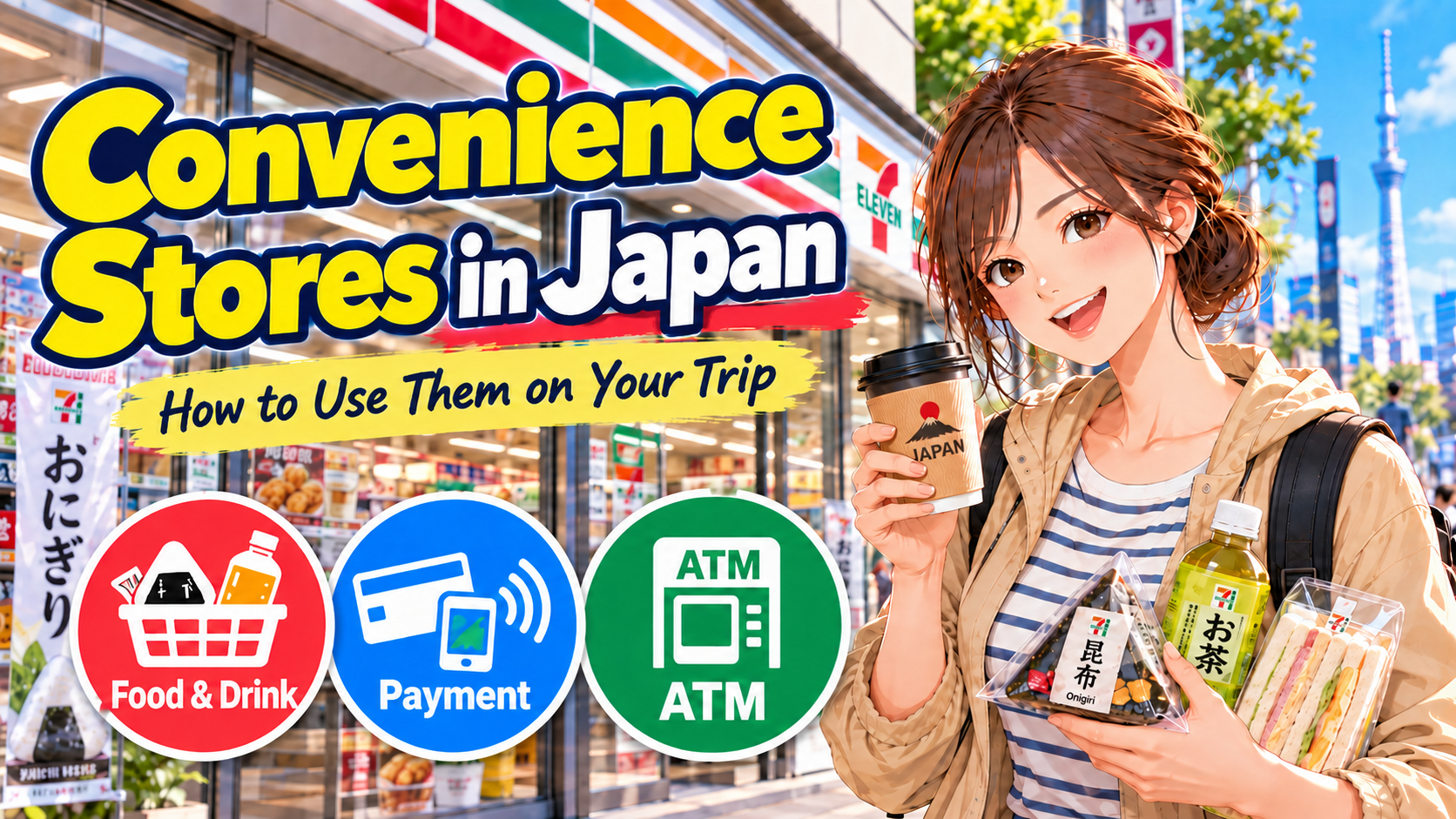
Convenience stores, on the other hand, make it easy to pick up a few things quickly in a small shop. Many also stay open late at night.
Supermarkets aren’t always cheaper than convenience stores.
Prices and the selection of prepared foods vary from store to store.
If both are nearby, a simple approach is to use supermarkets when stocking up on breakfast or drinks and convenience stores when you’re in a hurry.

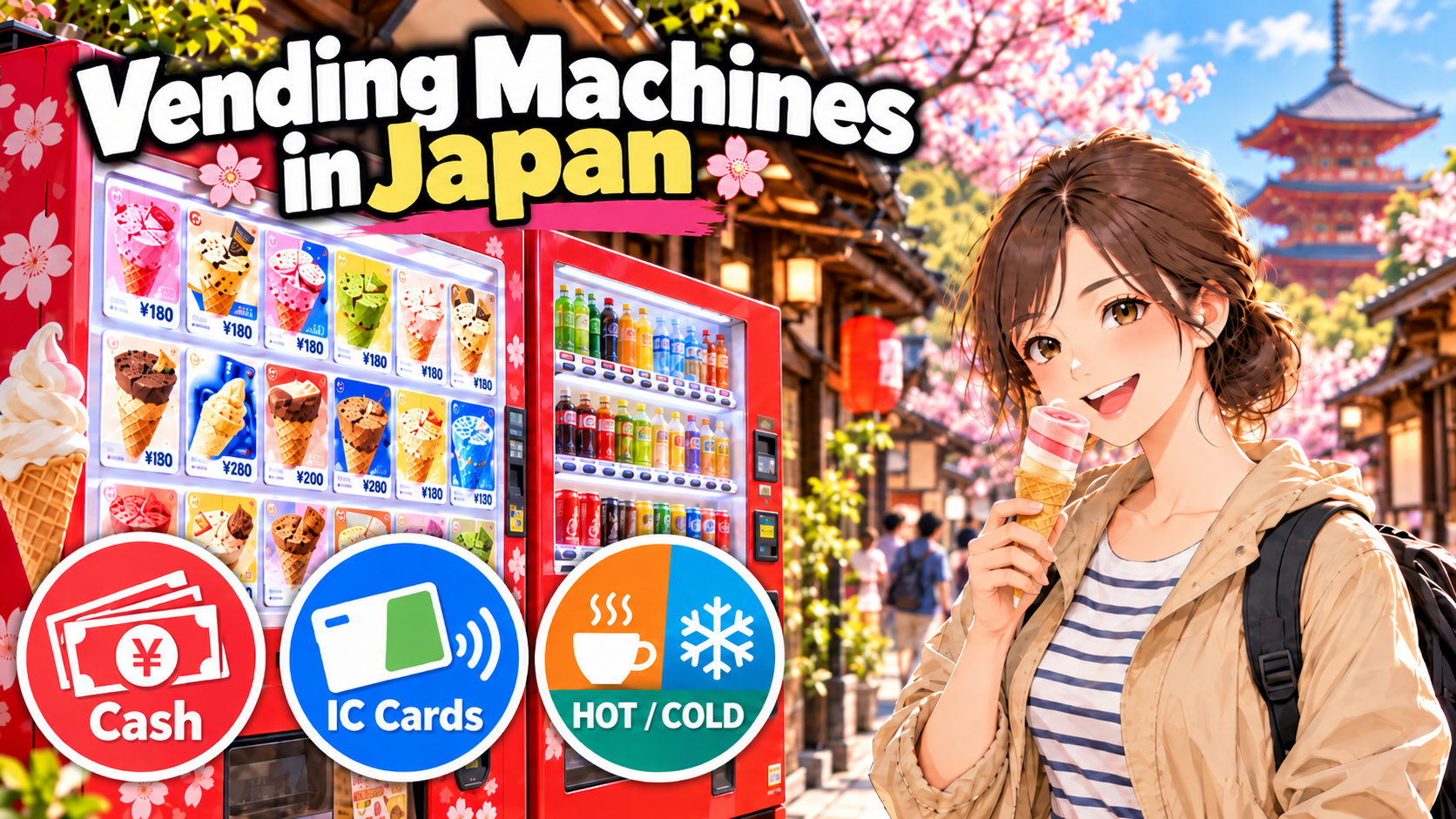
Supermarkets also sell a lot of drinks at room temperature.
If you want a really cold drink or a hot one, I recommend a convenience store or vending machine.
How to Find a Supermarket Near You
Google Maps is the easiest place to start.
Search near your hotel for “supermarket,” “grocery store,” or the Japanese word “スーパー”.
Once you’ve found a store, check its location and walking directions from your hotel.
Japan has small and medium-sized supermarkets as well as large ones.
For example, My Basket (まいばすけっと) is a small supermarket chain you’ll come across in urban areas.
Even when a store is about the size of a convenience store, it can still be a supermarket.
Some common supermarket names include Aeon, Life, Seiyu, and My Basket.
The chains you’re likely to find vary by region.
Opening hours vary by location.
After finding a store on Google Maps, check its opening hours using the chain’s official store locator.
If you plan to shop in the evening, check the closing time before you go.
How to Shop at a Japanese Supermarket
Even if it’s your first time, the process is simple once you know what to expect.
Here we’ll cover a regular checkout where a cashier scans your items.
- Pick up a shopping basket near the entrance. Even if you’re only buying a few items, a basket makes them easier to carry around the store.
- Put the items you want in your basket. Check the product names and price tags as you shop.
- Pay at the checkout. Place your basket on the counter and wait for the cashier to scan your items. Pay the amount shown.
- Pack your purchases. If there’s a bagging area past the checkout, take your basket there after paying and pack your items yourself.
Do You Have to Use a Shopping Basket?
Some people carry just one or two items to the checkout without a basket.
You don’t have to use one every time.
Still, if it’s your first visit, we recommend taking a basket.
If you’ve brought your own bag, put your purchases in it after you’ve paid.
What Do “税込” and “税抜” Mean on Price Tags?
Japanese price tags may include words such as “税込,” “税抜,” and “本体価格.”
- “税込”: Price including consumption tax
- “税抜” or “本体価格”: Price before consumption tax
If both prices are shown, look for the amount marked “税込” to see the price including tax.
Japanese rules require tax-inclusive prices to be shown to consumers.
Can You Pay with Cash, Credit Cards, or Your Phone?
Cash is widely accepted.
Many supermarkets also accept credit cards, electronic payments, and QR-code payment apps, but accepted payment methods vary by chain and location.
For example, My Basket’s official FAQ lists cash, various credit cards, and transportation IC cards among its payment options.
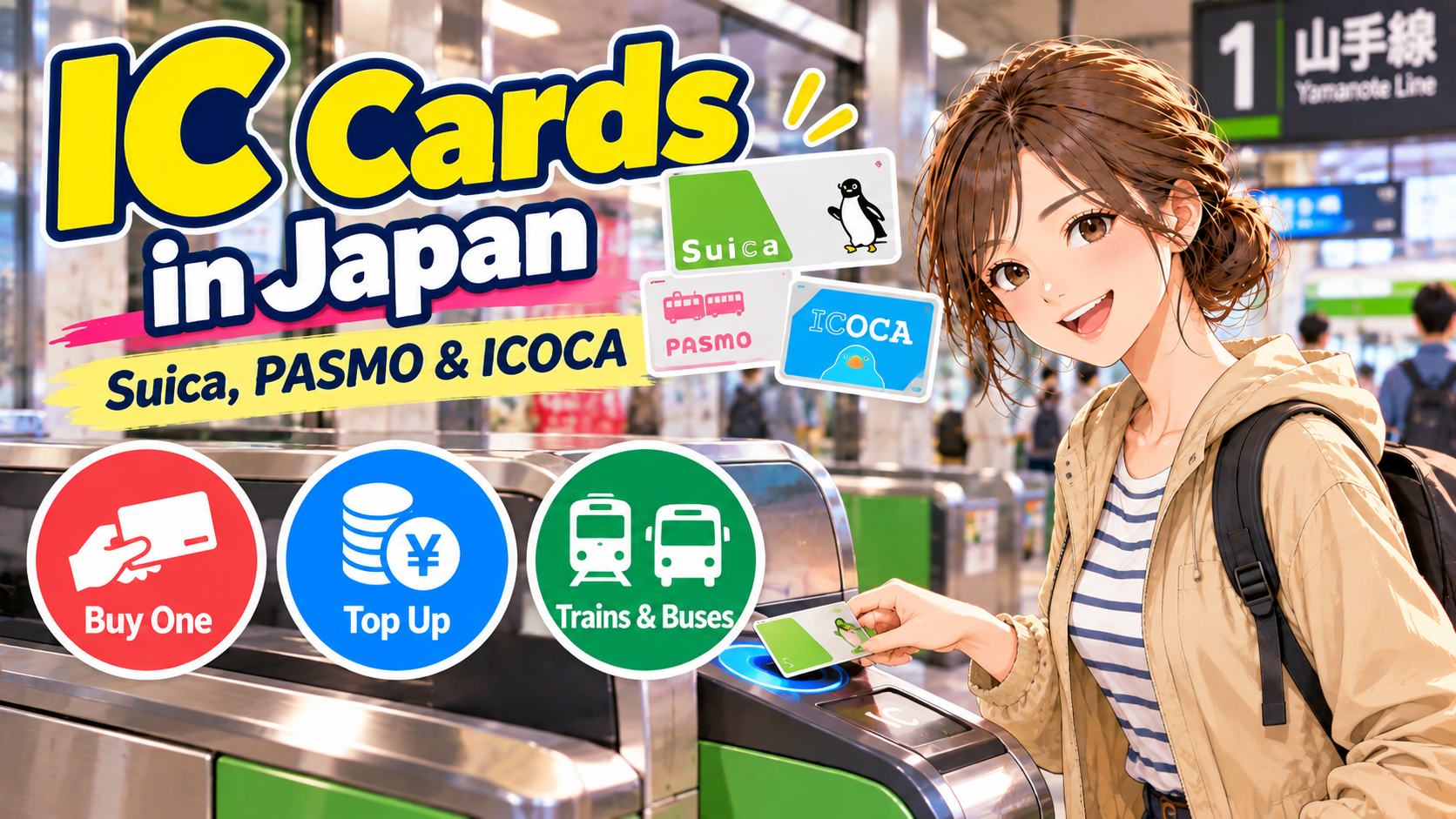
That doesn’t mean the same payment methods work at every supermarket in Japan.
If you want to pay without cash, check the store’s official payment information or the payment logos displayed near the register. Compare them with the card or app you plan to use.
If you’re unsure, show the cashier your card and ask, “Kore, tsukaemasu ka?” (これ、使えますか? — Can I use this?)
Do You Have to Pay for Shopping Bags? Who Packs Your Groceries?
In Japan, you generally have to pay for plastic shopping bags.
If you don’t have a reusable bag, buy the number of bags you need at checkout. Prices vary by store.
At many supermarkets, you pack your own groceries after paying.
Take your items to the bagging counter near the checkout. Put heavier items at the bottom and delicate ones, such as bread and eggs, on top.
Some supermarkets do pack your groceries for you, though. Follow the signs or the cashier’s directions.
Look for Discounted Food in the Evening
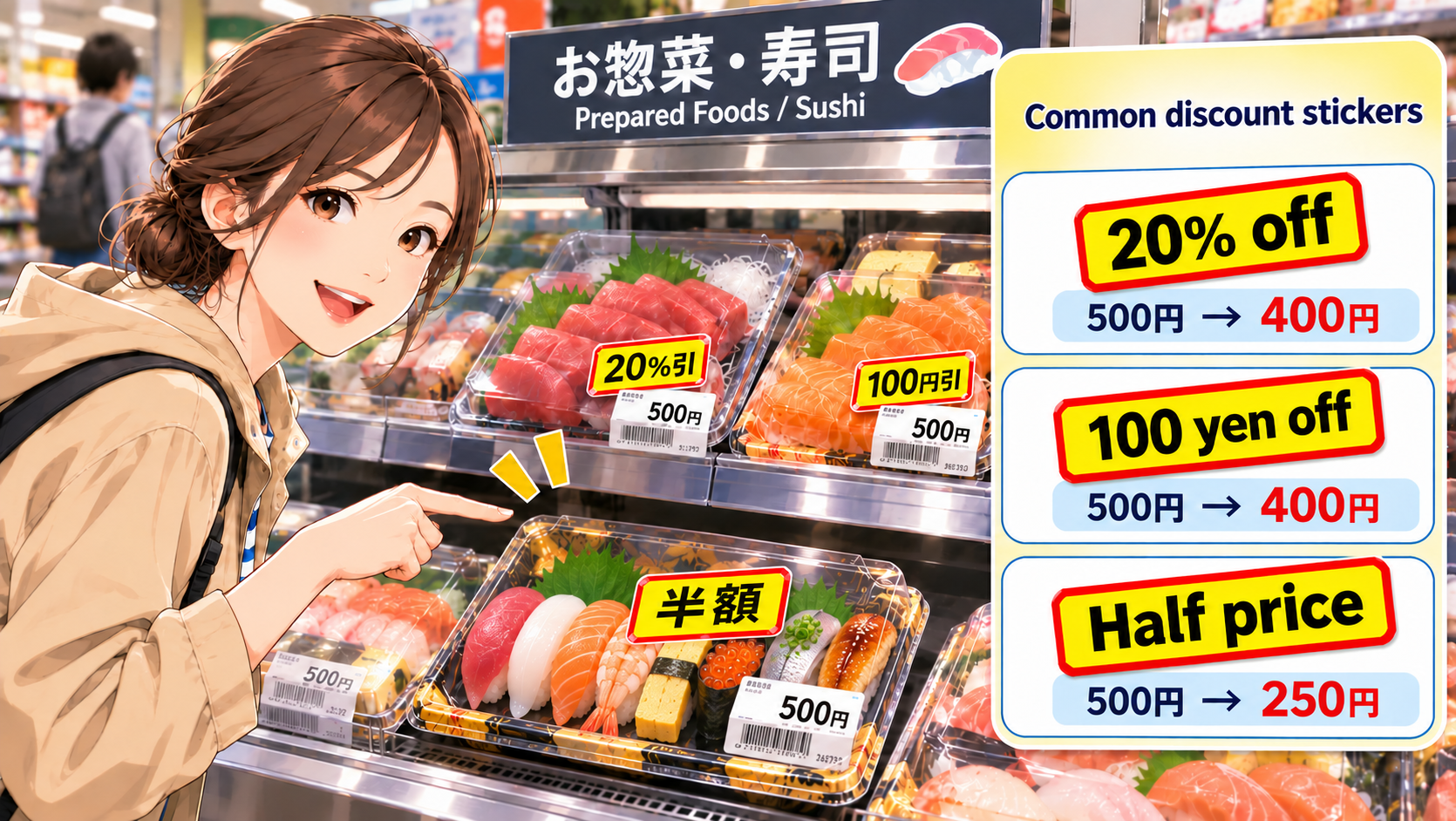
Japanese supermarkets sometimes put discount stickers on bento meals and prepared foods to help sell remaining stock. You may see these in the late afternoon or evening, but there’s no fixed time when discounts begin.
Aeon Retail also describes a system that uses factors such as remaining stock and time of day to help determine when and how much to discount products.
Here’s what common Japanese discount stickers mean.
| Sticker | Meaning | If the original price is ¥500 |
|---|---|---|
| 20%引 | 20% off | ¥400 |
| 100円引 | ¥100 off | ¥400 |
| 半額 | Half price | ¥250 |
What to Know About Eating Supermarket Food at Your Hotel
Supermarkets are convenient for picking up dinner or breakfast to eat at your hotel, but before buying, think about whether the food needs heating and whether you’ll have a fridge to store it.
Will a Supermarket Heat Up Your Bento?
At a convenience store, staff may heat your bento for you. At a supermarket, you can’t always get the same service.
Some supermarkets have microwaves that customers can use themselves.
If you want a hot bento meal, check whether there’s a microwave in the store before buying it.
If your hotel doesn’t have a microwave either, we recommend choosing food you can eat without heating, such as sushi or sandwiches.
Understanding Food Date Labels and Storage Instructions
Japanese food packages have expiration and storage information in Japanese. Here are three terms worth knowing.
- 消費期限 (use-by date): The date until which perishable food, such as bento meals, can be eaten safely.
- 賞味期限 (best-before date): The date until which food is expected to taste its best. Passing this date doesn’t automatically mean it’s unsafe to eat.
- 要冷蔵 (keep refrigerated): The product needs to be kept in a refrigerator.
Both types of dates assume the package is unopened and the food has been stored as instructed.
Can You Get Chopsticks or a Fork?
Some Japanese supermarkets offer free disposable chopsticks when you buy bento, sushi, or prepared dishes.
If you need chopsticks, ask the cashier, “Ohashi o kudasai” (お箸をください — Chopsticks, please).
If you don’t know how to use chopsticks, ask whether they have a fork or spoon.
Some stores don’t provide them, while others charge for them.
If you plan to eat at your hotel, packing a fork or spoon can be handy.
So, How Should You Use Supermarkets During Your Trip?
Visiting a Japanese supermarket can be enjoyable even if you’re just stopping in between sightseeing activities.
If there’s one near your hotel, consider picking up dinner or breakfast for the next morning.
Find a supermarket near your hotel → Check its opening hours → Choose your food → Pay at the checkout → Eat at your hotel.
That’s all you need to know to get started.

Convenience stores are handy when you’re in a hurry or shopping late at night. Just choose whichever works best for your plans and what’s nearby. Woof!
Whenever I travel abroad, I make a point of visiting a local supermarket at least once.
I love getting a glimpse of the local food culture and looking for snacks that would make good souvenirs.